Zach Cooley

Category: Zach’s At It Again

Whose Line troop brings classic improv to Virginia Tech

Whose Line troop brings classic improv to Virginia Tech

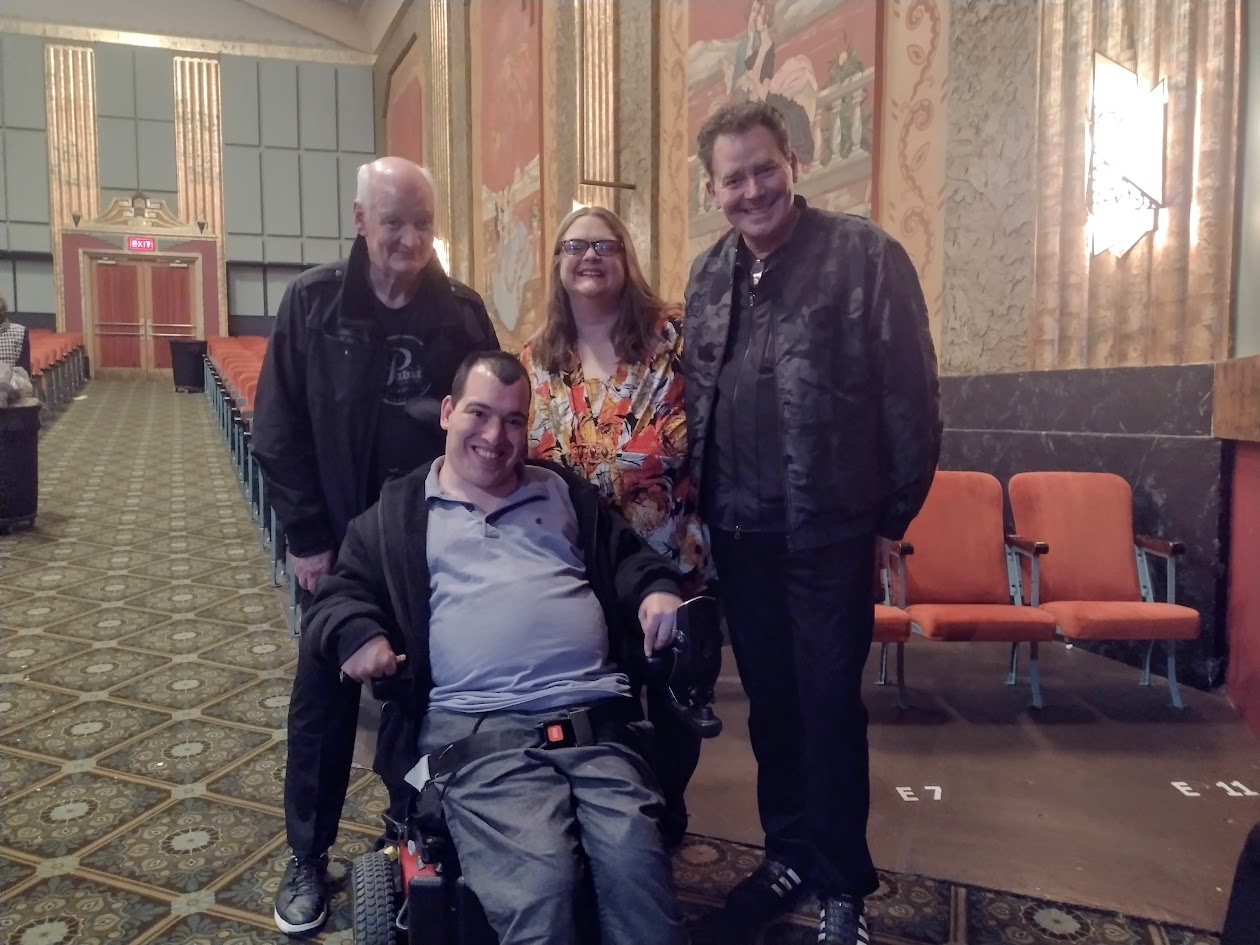
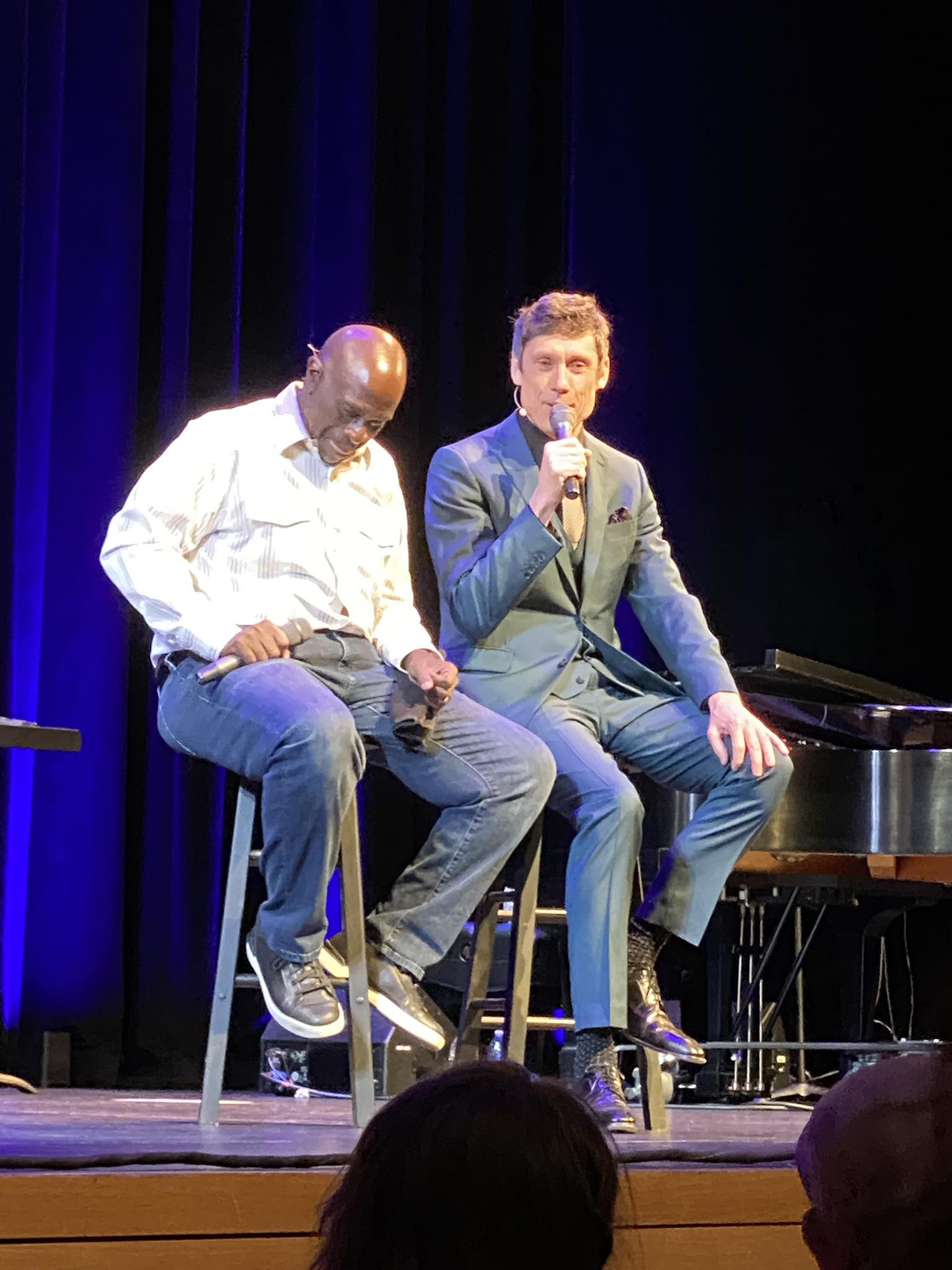
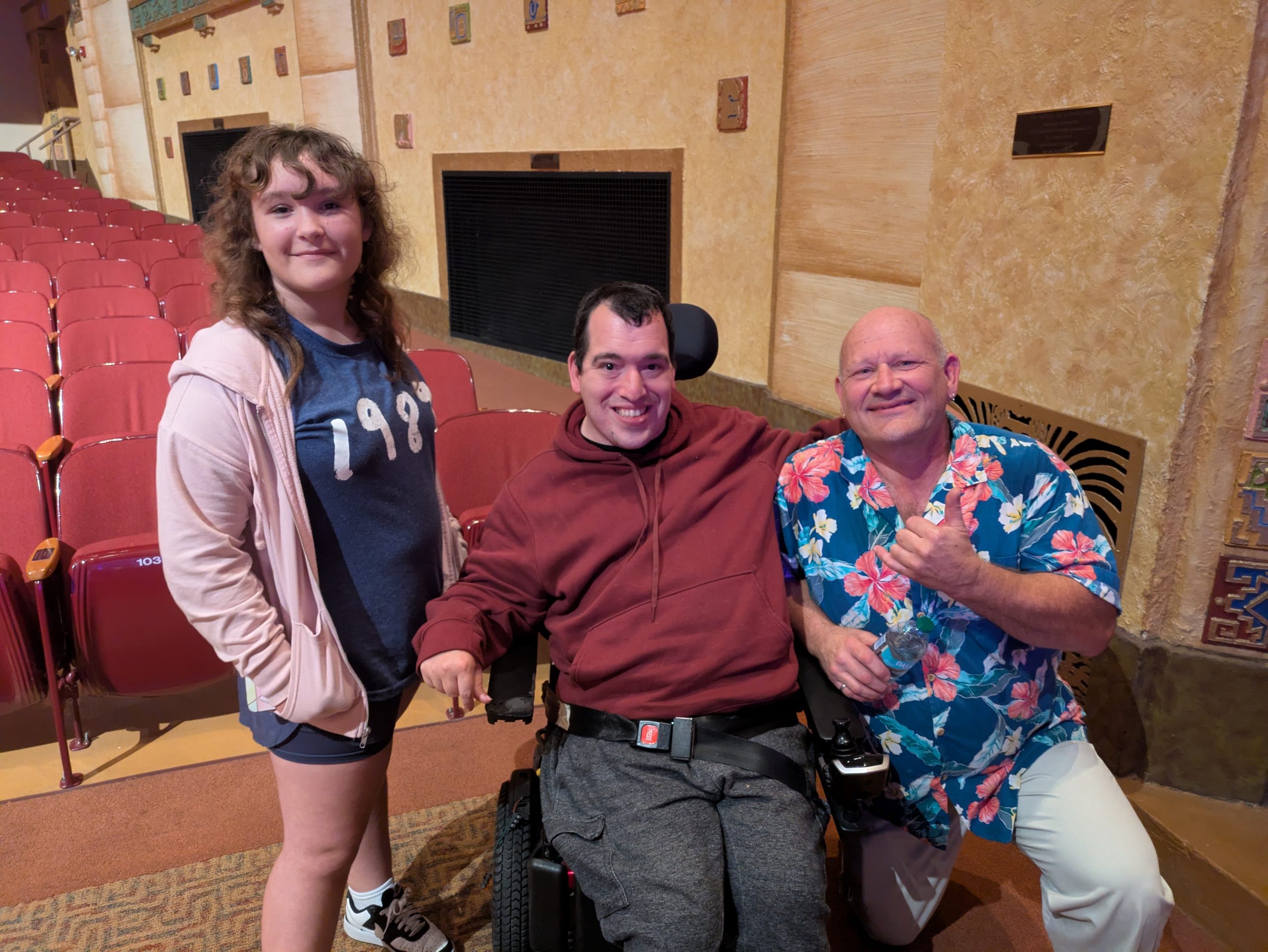
The hilariously brilliant team from Whose Live Anyway?—based on the hit show Whose Line Is It Anyway?—entertained more than 2,500 people over two sold-out performances at the Moss Arts Center at Virginia Tech. I was lucky enough to attend the second of these outstanding shows with my dear friends Jeremy Miller, Jenny Baker, and Angie Jackson in the beautiful Anne and Ellen Fife Theatre. Greg Proops was ill on the second night, and we felt a bit disappointed that he couldn’t join us. However, Gary Anthony Williams—who would typically serve more as the show’s emcee—stepped in and delivered plenty of hilarious comic relief in Proops’s absence. I’ve also enjoyed watching Williams in the reboot of another favorite show of mine, Night Court, which was canceled last year after three seasons. Jeff B. Davis, a fan-favorite guest improviser from the original American Whose Line Is It Anyway?, was on hand to provide his signature comedic flair, along with some impressively talented improvisational singing. Comedian Joel Murray also appeared, best known for his roles in TV shows like Mad Men, Dharma & Greg, and Still Standing. The main star of the show, Whose Line Is It Anyway? legend Ryan Stiles—the 66-year-old Canadian standing at an imposing 6’6″—surprisingly had the least to do during the 80-minute performance, which opened with a game called “Freeze Tag.” Audience members suggested that Murray begin the scene with Davis in a crab position, while Davis started in a downward dog pose. Whenever Williams called out “freeze,” he and Stiles would swap in and continue the scene from those same positions. The result was a wildly absurd progression—from Jeff Davis “giving birth” to a large man dancing to “Me and My Shadow,” to a visit with a Hokie bird in the wild. Stiles’s take on the Virginia Tech mascot drew big laughs from the audience of 1,274, made up largely of students and faculty. In the game “New Choice,” Jeff Davis corrected any line he felt needed improvement while Ryan Stiles and Joel Murray acted out a scene about doing the dishes. Some of the lines are best left unrepeated, but suffice it to say that when a husband behaves inappropriately with his wife’s sister, it tends to derail the evening—hilarity ensued. Things escalated when a secretary named Rachel with multiple piercings and tattoos was invited on stage to be serenaded by Jeff Davis and Gary Anthony Williams, with accompaniment from original Whose Line Is It Anyway? musical director Laura Hall, whom I recognized immediately from the ABC version of the show. They improvised a song about her dream of traveling to the Caribbean with her husband, Jonathan—whom she first noticed when he walked across a Food Lion in a way that won her over. Her most tropical destination so far? North Carolina. “Boo” and “Hubband,” their affectionate nicknames for each other, became running jokes throughout the night. Juliet and Courtney were then invited on stage to play the classic game “Moving People,” in which Jeff and Joel could only move when physically repositioned by the audience volunteers. The improvisers gamely attempted the Hokey Pokey while being awkwardly adjusted, resulting in a cascade of comedic mishaps and what turned into a keg party gone wrong. Next, all four performers participated in a Jeopardy!-style sketch. For the category of exotic foods, one audience member suggested “shakshouka.” Responses included “What is not a biscuit?” and “What is an exotic dish I convinced my wife was from North Carolina?” The winning answer: “What is how you pronounce Chewbacca when you’re really high?” A married couple—Matt and Mary, former Virginia Tech students who had been married for 32 or 33 years (they couldn’t quite agree)—joined the stage next. Their first date at Top of the Stairs involved Matt, a member of a ska band called Boy, Oh Boy, and Mary, a Catholic schoolgirl. As the performers reenacted their date, the couple signaled accuracy with a “ding ding” and inaccuracies with a “wah wah.” When “Mary” said, “I just come to church for the wine and the boys,” the real Mary gave a “ding.” When drug use was implied, she quickly responded with a “wah.” In another segment, audience-written lines were randomly inserted into a scene. During a fairy tale titled Secrets of the Prima Ballerina, Stiles played the ballerina while Davis portrayed a passionate French suitor. At one point, the suitor dramatically quoted Ezekiel 25:17—famously used in Pulp Fiction—with a hilariously mangled delivery. For the “Sound Effects” game, the audience suggested the year 2009 as the setting, with sound effects provided by two brothers. At one point, a suit with snaps and buttons sounded less like clothing and more like a squirrel scurrying down his pants. In yet another sketch, Ryan Stiles portrayed a deceased Gordon Lightfoot, while Joel Murray played Dan Aykroyd, selling a compilation album of the neuroscientist’s greatest hits. Highlights included sea shanty “EKG,” folk-rock anthem “Frontal Loading,” and jazz standard “It’s All in Your Head.” The show closed with a Blacksburg-themed hoedown. As Joel Murray sang, “I wish we could stay for the game—once you’ve seen ‘Enter Sandman’ in person, your life is never the same.” A live Whose Line Is It Anyway? experience is something few people ever get to enjoy. I’m grateful they made a stop in Southwest Virginia, and I hope this won’t be the last time we see such a hilarious and talented group perform here.  

Zach's At It Again

Parker film aids in revitalization award nomination for Downtown Wytheville

Parker film aids in revitalization award nomination for Downtown Wytheville

When I heard that my good friend Cory Parker had released a new film in partnership with Downtown Wytheville, I couldn’t wait to see the finished product. Through his company, MountainCAP Media, Parker has delivered yet another visual triumph with the 25-minute documentary Downtown Wytheville: A Story of Revitalization. The film chronicles the rise of Downtown Wytheville, Inc. and its pivotal role in rejuvenating the town’s historic core—most notably the Millwald Theatre, now a true crown jewel of the community. Founded a dozen years ago, the organization has become a model for grassroots, trust-based civic transformation. Executive Director Todd Wolford, who is featured prominently throughout the film, spoke with me about the project and the milestone it commemorates. Wytheville has been selected as a Great American Main Street Award semifinalist, chosen by a national jury of industry professionals and community leaders. Out of more than 2,000 applicants, the town was narrowed down to the top eight. The ultimate winner will be announced in April. Once a bustling hub along the Great Wagon Road, downtown Wytheville saw its vitality wane in the late 20th century as new interstates redirected commerce to strip malls on the outskirts of town. Determined to reclaim the community’s civic heart, local residents formed Downtown Wytheville, Inc. in 2014. In just over a decade, the transformation has been remarkable. The district is now a thriving destination filled with breweries, restaurants, small businesses, public art, a boutique hotel, and a restored historic theater. More than $23 million in private downtown investment has been generated, alongside $10 million in public improvements, breathing new life into once-condemned buildings and turning them into active centers of community life. If Parker’s film is any indication, Wytheville stands as strong a contender as any town in the nation for the Great American Main Street Award. After watching it, I knew I wanted to be part of the campaign. “There are extensive volunteer opportunities for anyone wanting to work with Downtown Wytheville,” Wolford told me. “We’re also occasionally looking for new board members.” One especially compelling moment in our conversation came when Wolford shared that his grandfather once ran a soda shop on Main Street in the 1950s. As much as I would love a place to have a malt or old-fashioned Coke, those kinds of businesses are hard to keep afloat in the local economy. Though he added that reopening his grandfather’s shop isn’t in his plans, he urged the community to bring its business to downtown in order to keep them alive. “Small-town businesses are hard to sustain unless the community supports them regularly,” he said. “We must make them a routine part of our patronage.” That observation underscores a critical reality. With long-standing businesses like Kincer Miller Hardware, Wytheville Office Supply, and Gwynn Furniture now gone from Main Street, supporting newer establishments—such as Burger Express, The Eclectic Pearl, and The Turquoise Junkie boutique—is more important than ever. Much of downtown’s revival can be traced to the reopening of the historic George Wythe Hotel as the Bolling Wilson Hotel in 2014, which directly sparked the formation of Downtown Wytheville, Inc. “We had this beautiful hotel for people to stay in,” Wolford recalled. “Then we realized we needed things for people to do when they came to town. We knew we couldn’t leave an abandoned theater sitting in the middle of Main Street.” That theater reopened in November 2022 as a performing arts center and has since hosted national acts including The Drifters, The Coasters, Jim Messina, and Pam Tillis. Downtown Wytheville’s success is also rooted in strong leadership and collaboration. Charlie Jones, a former youth ambassador, went on to become the assistant director of Downtown Wytheville, Inc. Deb King, a longtime creative artist and marketing professional, has also played an essential role. “I can’t say enough about the people and how well we work together,” Wolford said. “Without them, Downtown Wytheville would never be what it is today.” If I could afford it, I would book a week in the Bolling Wilson Hotel, where my family and I would stay, then take in all the shows at the Millwald Theatre, have dinner at Moon Dog Brick Oven Pizza, one of the first businesses to open in the newly-resurrected Main Street, and hit all the other downtown spots as though I were a tourist. I think it would be a great lesson in that, sometimes, in order to have the best adventures, we need look no further than our own backyard.

Strictly Observing, Zach's At It Again

Wytheville native keynote speaker at MLK ceremony

Wytheville native keynote speaker at MLK ceremony

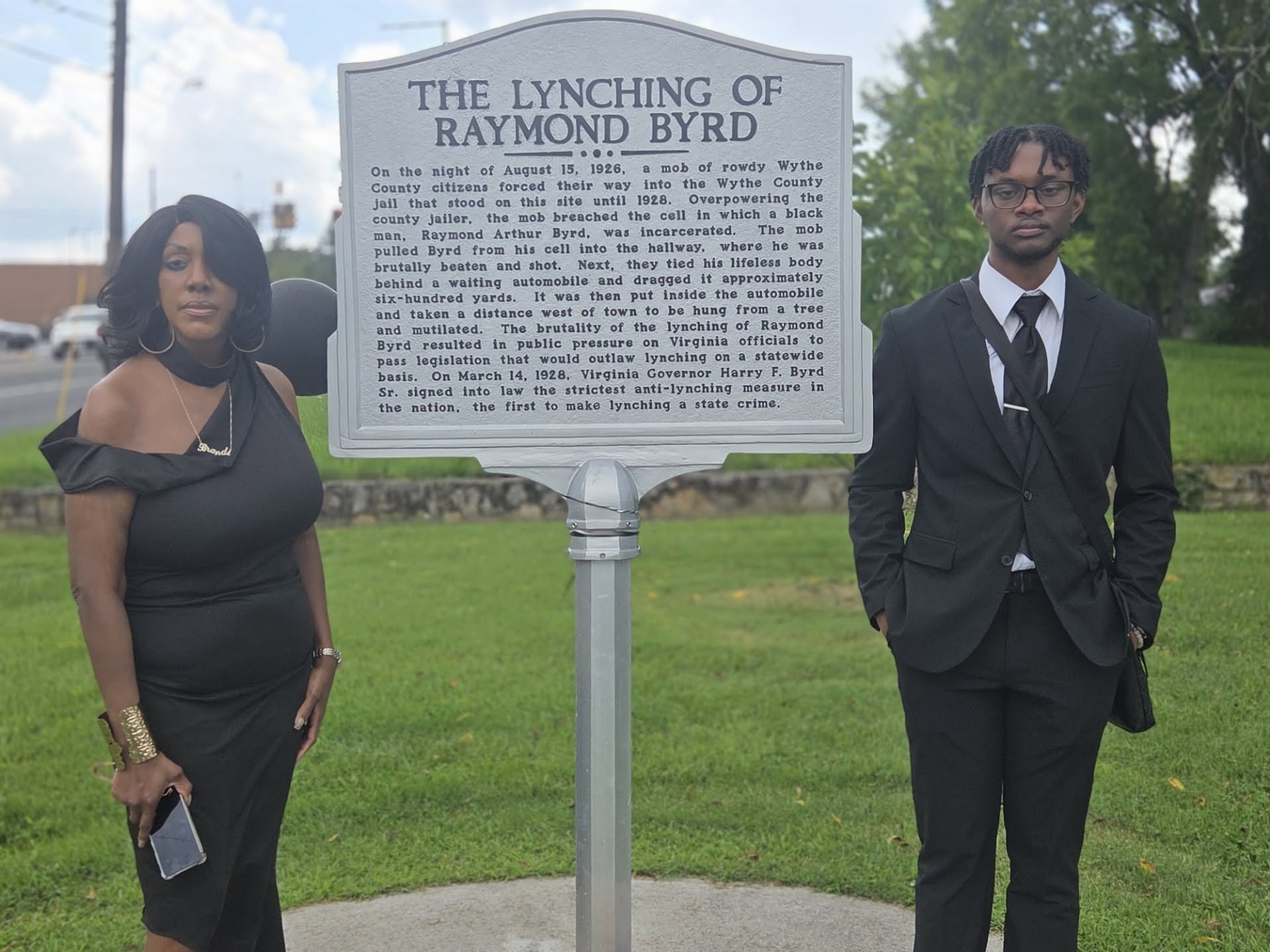
Returning to a place that shaped his earliest memories, Sterling Crockett stood on the stage of the Millwald Theatre Sunday afternoon and offered a keynote address that blended hometown reflection with a sober warning about economic neglect, division, and the unfinished legacy of Dr. Martin Luther King Jr. Crockett, a writer, community strategist, builder, and Wytheville native who has spent recent years living in Florida, was the featured speaker at the town’s Martin Luther King Jr. Day celebration. He opened with a simple declaration that set the tone for the afternoon. “It is good to be home,” he said. The Millwald Theatre, Crockett noted, was once a central gathering place for families and friends. He recalled attending movies there as a child, including Star Wars in 1977, a time when imagination felt boundless and the future seemed full of promise. For Crockett, the building symbolized shared experience and community—an idea that would echo throughout his remarks. “Most of you didn’t know me as Sterling back then,” he told the audience. “You knew me as Chris.” Crockett reflected on growing up in Wytheville, playing ball, and being encouraged by a town that watched him chase opportunities beyond its borders. Yet he was careful to stress that his return was not an act of judgment. “I am not standing here today as someone who came back to lecture his hometown,” Crockett said. “I am standing here as someone who was shaped by it—by the people, by the opportunities, and by the limits too.” Throughout the address, Crockett drew a sharp distinction between individual responsibility and systemic failure. When he spoke of neglect, he emphasized, he was not blaming neighbors or families, but rather decisions made by distant leadership and economic systems that left communities vulnerable. “That distinction matters,” he said, “because the story we tell about who is responsible determines whether anything ever changes.” Turning to Dr. Martin Luther King Jr., Crockett urged the audience to look beyond the familiar imagery of the 1963 “I Have a Dream” speech. While acknowledging its enduring power, he focused instead on King’s final years, when the civil rights leader warned that America was ignoring deeper structural problems. Near the end of his life, King famously said he feared he had been leading his people into a “burning building.” Crockett expanded on the metaphor, explaining that buildings rarely collapse from a single dramatic event. More often, they fail because foundations weaken—because small compromises and hidden erosion go unaddressed. “A building can look sound from the outside,” Crockett said. “The doors can still open. The signs can still say, ‘Welcome.’ And yet the foundation can already be compromised.” King, Crockett argued, recognized that America was willing to remove visible barriers while leaving the deeper architecture of economic inequality intact. Lunch counters could be integrated, but wages remained stagnant. Voting rights could expand, while housing segregation persisted through policy and finance. Rights, Crockett said, mean little without economic stability beneath them. He then brought King’s critique into the present, pointing to Wytheville and similar Appalachian communities that have seen opportunity steadily narrow. Decent work—jobs that provided dignity, stability, and the ability to plan for the future—has disappeared. Wages have flattened as living costs increased. Young people have left not because they lacked love for their hometowns, but because staying no longer guaranteed a viable future. “That did not happen because we failed as people,” Crockett said. “It happened because economic foundations were allowed to erode.” As those foundations weakened, Crockett said, deeper crises took root. He addressed the region’s drug epidemic directly, describing fentanyl and methamphetamine as symptoms of untreated economic and structural pain rather than personal weakness. “When economic security erodes,” he said, “pain goes untreated—and something more dangerous always moves in to fill the gap.” Crockett emphasized that addiction and loss have crossed racial lines, devastating poor and working-class white families and black families alike, though often through different systems. He warned that racial division has been encouraged because it distracts communities from confronting the structural causes of harm. “As long as we are arguing across racial lines,” he said, “the systems that hollowed out towns like this one never have to answer.” In closing, Crockett returned to the legacy of Dr. King’s later work, particularly his focus on economic justice and coalition-building through the Poor People’s Campaign. That shift, he said, was what made King truly dangerous—not his rhetoric, but his organizing. “This is not a call for perfection,” Crockett told the audience. “It is a call for participation.” Crockett left listeners with a final challenge. “The question before us is no longer whether we admire Dr. King,” he said. “The question is whether we will build what he was trying to make possible.”  

Strictly Observing, Zach's At It Again

2025 “Strictly Observing” Person of the Year- Hody Viars

2025 “Strictly Observing” Person of the Year- Hody Viars

After spending many childhood moments together at the Wythe County Sheriff’s Office, with both of our dads serving as Chief Deputy, my lifelong friend Hody Viars was named for that position within days of my father’s passing one day after his 83rd birthday on October 26, 2025. As Hody and Dad shared the same birthday, I could not help but feel he had a hand in making him Chief Deputy from above, keeping the familial atmosphere of the Wythe County Sheriff’s Office alive. Hody brings with him more than a decade of specialized training and will prove to be a legend of local law enforcement in his own right.

Zach's At It Again

Viars named Wythe Chief Deputy

Viars named Wythe Chief Deputy

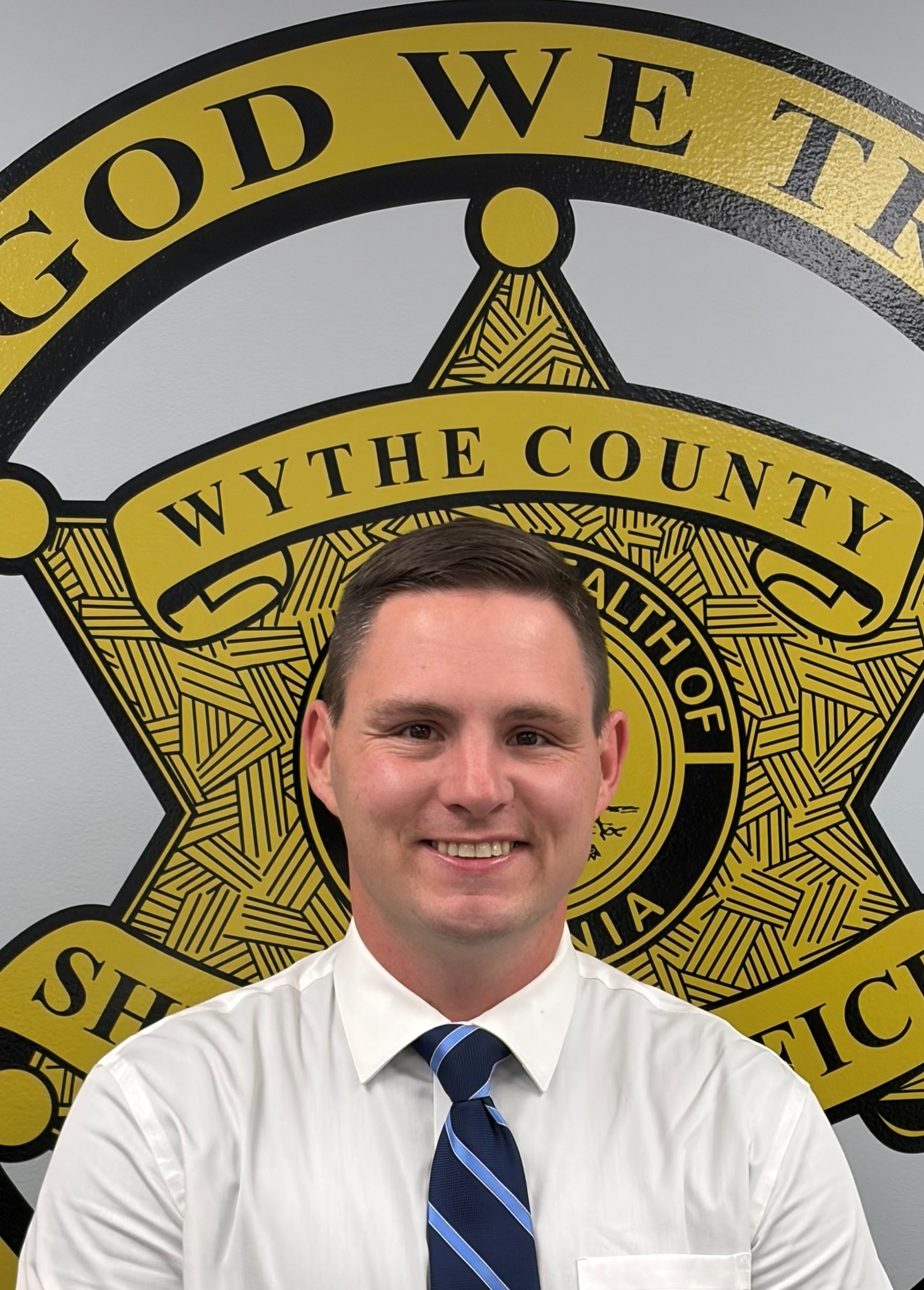
On December 1, a lifelong friend of mine stepped into a role that holds a deeply personal significance. Hody Viars was named Chief Deputy of the Wythe County Sheriff’s Office—a position my father held for 14 years, and the very reason my family put down roots in Wytheville. Some of my earliest memories are of Hody and me running through the halls of the sheriff’s office as children. We both remember our kindergarten field trip there; we strutted around like we practically owned the place because we knew every officer by name. Back then, the Sheriff’s Office felt like family. Even today, though much larger than it was in the 1990s, that spirit somehow remains intact. Hody says he always knew he wanted to work for the Sheriff’s Office, despite his father—former Chief Deputy Sam Viars—encouraging him to consider another path. “I spent my first semester in college attempting some sort of sports medicine or physical therapy curriculum,” he told me during an interview at my home on December 10, just nine days into his new job. “I knew right away it wasn’t for me, and I immediately called my dad and told him I was changing my major to criminal justice.” After graduating from Radford University, Hody applied for one job and one job only: a patrol deputy position with the Wythe County Sheriff’s Office. He got it in 2014. Four years later, he made the difficult decision to join the Virginia State Police after completing the Southwest Virginia Criminal Justice Academy—an academy led by my uncle, Doug Cooley. “I needed to join the State Police for opportunities for advancement,” he recalled. “I was lucky enough to be assigned to Wythe, Smyth, and Bland counties so I didn’t have to move.” During his time with the State Police, Hody became known for his work with the Honor Guard, performing line-of-duty funeral duties for fallen officers. He was also trained to operate the distracted driving simulator, and in 2022 he was promoted to the Bureau of Criminal Investigations in the Wytheville Field Office. While there, he expanded into bomb and arson specialization. “I went to Emmitsburg, Maryland, for two weeks for the National Fire Academy’s arson school,” he said. “Then I spent three weeks in Roanoke at the 1033 training with the Virginia Department of Fire Programs. The bomb side was more strenuous—schools in Alabama, Henrico, all while working murder investigations and other felonies.” Then, the call came from Sheriff Anthony Cline, asking him to serve as his Chief Deputy—a moment Hody describes as the culmination of everything he had worked toward. “My family has more than 90 years of combined service to the Wythe County Sheriff’s Office,” he said. “I knew this was something I definitely wanted to do.” Hody is also a devoted father. He and his wife, Miranda, live in Fort Chiswell with their daughter, Cecilia, who will turn two in March. During our interview, Hody shared something that struck me deeply. “Your dad was my dad’s hero,” he said. As Chief Deputy, my father hired Sam Viars and Hody’s two uncles—Jack and Doug Hudson. Those three men shaped Hody’s lifelong dream of a career in law enforcement. “At every one of my family’s get-togethers at my grandmother’s house, I would see at least one of those guys in uniform,” he told me. “I knew that’s what I wanted to do.” Hody and my father also shared the same birthday, October 25. Dad passed away the day after his birthday this year. In the midst of mourning him fiercely, hearing that my childhood friend had been named Chief Deputy brought me a warmth I desperately needed. I felt—without hesitation—that Dad had a hand in this from above. Hody didn’t disagree. “I always felt close to Herb,” he said. “My dad said Herb made his career and always spoke very highly of him.” Sheriff Cline also expressed unwavering confidence in his new Chief Deputy. “I selected him because we have the same temperament and the same vision for the department,” Sheriff Cline wrote to me in a text message. “We have the same ideals, and we both want what’s best for Wythe County.” Hody believes technology will be a driving force in their leadership. Sheriff Cline recently secured grant funding for new crime scene scanning technology that provides a virtual 360-degree tour—similar to an online real estate walk-through. “This allows us to put a jury inside the crime scene as we found it,” Hody explained. In many ways, this mirrors my father’s approach. He had a remarkable talent for securing grant funding to bring cutting-edge tools to local law enforcement—without burdening taxpayers. Hody shares that philosophy wholeheartedly. “Protecting our children through our school resource officer program is essential,” he told me. “We want to give the county the best product we can offer and keep people safe at the least cost to them.” There is no doubt in my mind that Chief Deputy Hody Viars will go down as a law enforcement leader admired not only for his professionalism, but for the quality of his character. I know I certainly look up to him—and always have.  

Strictly Observing, Zach's At It Again

Face Value rocks Marion

Face Value rocks Marion

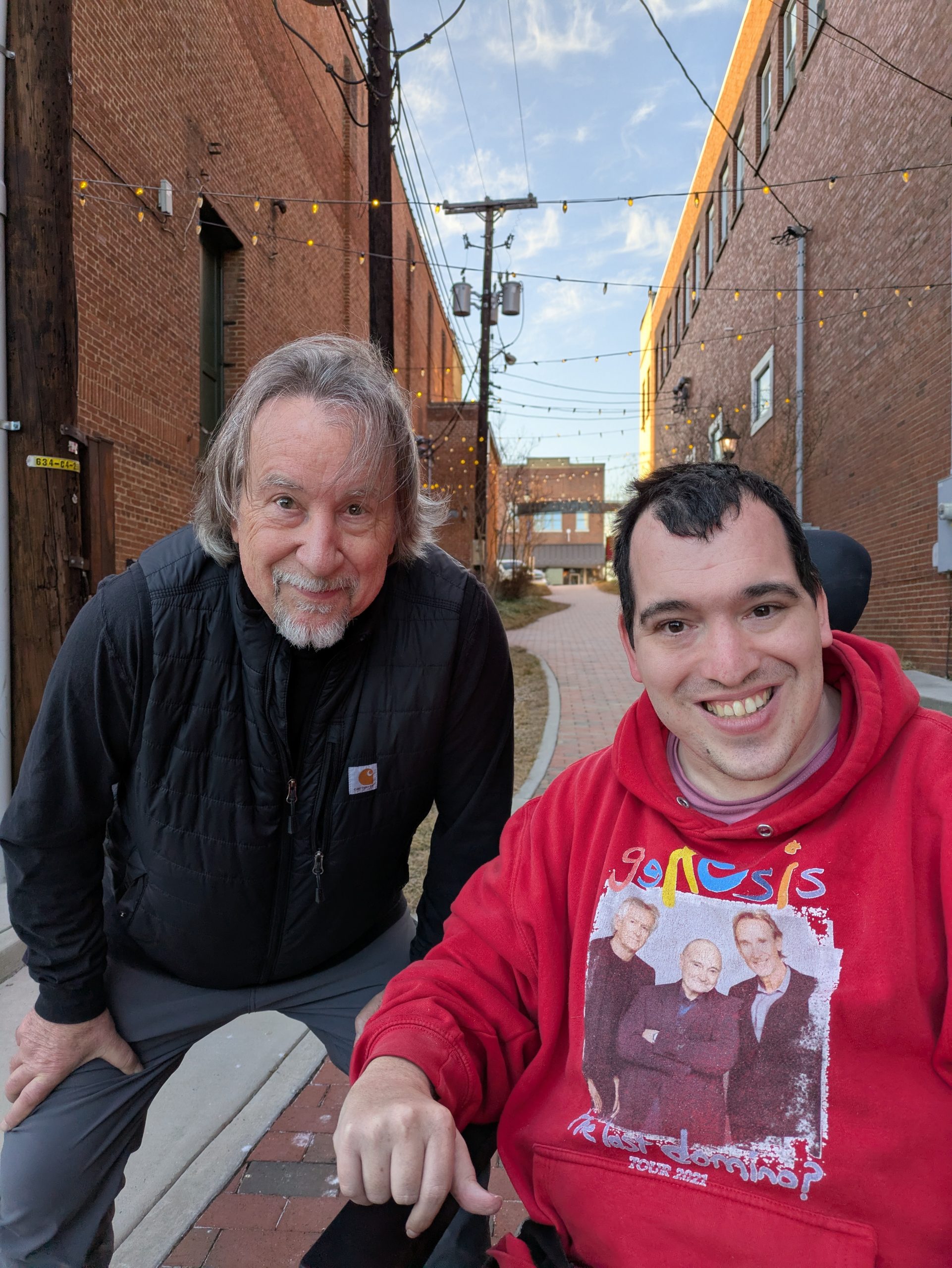
I never dreamed a Phil Collins and Genesis tribute band would come within 25 miles of my hometown. But on October 10th, Face Value: A Tribute to Phil Collins and Genesis, a relatively new group formed out of Nashville, took the stage at the beautiful Lincoln Theatre in Marion for an electrifying two-hour performance. My only disappointment was the absence of the group’s much-celebrated horn section, an element essential to Phil Collins’s signature sound. After the show, I met with the band’s lead singer and drummer, Joey Simonton, a Charleston, West Virginia native, who explained their absence. “I wanted to bring the horns,” Simonton said. “It just didn’t make sense financially for this market.” It was a practical decision based on ticket sales; attendance that night numbered only around seventy. Yet, what the audience lacked in size, it made up for in passion. My wife Emily, daughter Bella, and I, lifelong fans of Collins and Genesis, were among them, cheering with the same enthusiasm as if the Lincoln were packed to the rafters. Simonton and his phenomenal band brought a 25-song setlist that balanced the horn-driven hits of Collins’s solo career with Genesis favorites that rarely get radio play. The show opened with a powerful rendition of “Something Happened on the Way to Heaven,” which immediately set the tone. To my delight, Simonton gave me a personal shout-out at the start, which made the evening all the more special. That killer opener was followed by “I Missed Again,” one of my favorite tracks from Collins’s debut album, the band’s namesake. Next came “No Reply at All,” one of the few Genesis tracks to feature horns, and then my all-time favorite Genesis anthem, “Turn It On Again.” The crowd responded enthusiastically as the band launched into “Paperlate,” another horn-laced Genesis rarity, before shifting gears into “Land of Confusion.” “This is a heartwarming tale about nuclear destruction,” Simonton quipped at the song’s introduction, acknowledging the Grammy-winning music video featuring the satirical puppets from the British TV series Spitting Image. “The video for this song was huge on MTV when I was growing up, back when MTV actually played great music videos for six years or so.” The band followed with “Who Said I Would,” a deep cut from No Jacket Required, then slowed things down for the haunting “Another Day in Paradise.” Before performing it, Simonton spoke passionately about his missionary work in the Philippines. He and his wife, who is from there, volunteer through Closer to the Heart Ministries, providing food, school supplies, and other essentials to children in need. “We hope to get the band over there next year to do some missionary work for the kids,” he said. “This song reminds us how blessed we are to live in the United States and how grateful we should be for everything the Creator does for us.” From there, the set picked up again with “Misunderstanding” from Genesis’s Duke album, followed by “Easy Lover”. Bassist Sean Harrison, a longtime friend of Simonton, joined him for the energetic duet, capturing the chemistry of Collins and Philip Bailey perfectly. Guitarist Dante Bonasera impressed throughout the night, delivering blistering solos reminiscent of Daryl Stuermer’s style. The youngest member, Justus Mitchell, just 24 years old, amazed the crowd with his command of the keyboards. I couldn’t believe someone his age even knew Phil Collins, let alone played his songs so beautifully. Behind the kit, Jon Ross, drummer and musical director, anchored the group with power and precision. Like Collins, he’s a left-handed drummer and even plays on a similar kit, giving the performance an authentic sound. Simonton, too, proved himself a worthy alter ego to Collins both as a vocalist and percussionist. He joined Ross for the legendary dual drum solo during “In the Air Tonight,” which closed the first half of the show in breathtaking fashion. But before that, the band tore through the Genesis hit “That’s All,” featuring incredible synchronized drumming. Before launching into the song, Simonton turned to me again from the stage and asked about the campaign led by Arizona fan Traci Baker, who has been petitioning to get Collins inducted into the Rock and Roll Hall of Fame as a solo artist. “Phil Collins is one of the most powerful drummers, singers, songwriters, and producers in the history of rock and roll,” Simonton declared. “We need all of you to go online and support the ‘Get Phil Voted In’ campaign.” The second act opened with “Hang in Long Enough,” another of my personal favorites, and the band returned with renewed energy. “Invisible Touch” and “Against All Odds” kept the crowd moving, followed by “Take Me Home,” “I Cannot Believe It’s True,” and “I Wish It Would Rain Down.” Each performance showcased the band’s remarkable musicianship and attention to detail. The Genesis hit “Throwing It All Away” led seamlessly into the band’s first chart success, “Follow You, Follow Me,” featuring a beautiful guitar and keyboard pairing from Mitchell and Bonasera. Next came “Don’t Lose My Number” and the rarely performed “Two Hearts,” during which Simonton and Ross once again doubled up on drums. Their extended drum duet that followed was nothing short of spectacular, a blistering display of rhythm and precision that stood as the evening’s highlight. Simonton stayed on drums for the Genesis deep cut “Just a Job to Do,” another standout moment, before the band brought the show to a roaring close with “Abacab” and “Sussudio.” During the final song, Simonton left the stage to personally greet every member of the audience, a touching gesture that summed up the warmth and authenticity of the night. My sincere thanks go to Bob Watkins for our front-row seats to this unforgettable show. It was a much-needed evening out and a night I’ll always treasure. Face Value: A Tribute to Phil Collins and Genesis is a must-see for any fan of rock performance at its finest.

Strictly Observing, Zach's At It Again

Jim Messina

Jim Messina

A highlight of my childhood was riding through the Big Walker Mountain Tunnel over the West Virginia state line to the Mercer Mall in Bluefield. While most children my age were begging their parents for toys or candy, my requests most often involved a cassette tape. I loved going to the Disc Jockey record store and purchasing a tape, even if I didn’t have a particular song in mind at the time. When I was four years old, I can recall coming home with the single “Call It Love” by Poco. I never dreamed that 36 years later, I’d be talking to the bass player of that particular song on my podcast for my editorial column. However, Jim Messina was the subject of an interview ahead of his March 12th performance in my hometown at the Millwald Theater in Wytheville. I started the interview by telling him that, having been born with cerebral palsy and bound to a wheelchair my entire life, music took me to places that life otherwise did not afford me. “Call It Love” is one of those songs that takes me back to that era of my life. I was also a big fan of the other half of his famous duo, Loggins and Messina. Kenny Loggins’ “Danger Zone” represented a much larger part of my childhood. My mother had originally bought the Top Gun soundtrack because she liked the songs, and as big a fan as she was of Kenny Loggins, I think I made her play that song so much that she began to hate it. At any rate, Jim Messina was kind enough to share with me his thoughts on the making of the Poco hit, sung by his former bandmate from Buffalo Springfield, Richie Furay. However, Furay wasn’t keen on singing the suggestive lyrics to the song, nor the steamy nature of the video. It was Messina who played mediator and made minor modifications to both the lyrics and video content to satisfy the newly ordained Christian minister. The Top 20 hit single was featured on a 1989 album called From the Inside, which represented a reunion of the original Poco members, who had disbanded in 1970. “There was a group of Nashville writers who had written the song for us,” Messina recalled. “We heard the original guitar solo that became the hook of the song, and I wrote it down. “It’s a fun song,” he said. “I’m looking to see if we can get Richie to do some dates with us so that we can include that in our repertoire on the road.” Unfortunately, that could not be done in time for the March 12th show at the Millwald Theater. It was the summer of 1970 when a 6-foot gangly kid with a long beard and braces came into Jim Messina’s studio for an audition to potentially be his next artist for production. He asked for demo tapes. Loggins didn’t have any. As it turned out, he didn’t even own a guitar. Messina let him borrow one of his own for the recording session. Despite his lack of preparedness, Jim Messina quickly learned that Kenny Loggins had an extraordinary ability as a singer. But could he play the songs he wrote? Loggins sang to his future partner what would become some of their staple songs, including “Danny’s Song,” “Return to Pooh Corner,” and “Vahavelia.” “Since he didn’t have a guitar or tapes, I asked him how he made a living,” Messina recalled. “It turned out that he worked for a publishing company who called upon Kenny to do whatever song they needed. If they needed an Elton John song, he could sound like Elton John. If they needed a Leon Russell song, he could sound like Leon Russell. As I soon discovered, Kenny would be a great marketable artist with such an epiglottis of various sounds he could sing.” Legendary producer Clive Davis was head of Columbia Records at the time and was very impressed by the demos the duo produced. Messina, however, was not looking to return to the road. But Davis was so impressed with his playing on the demos that he gave them representation and the means to create their first album, which took almost two years to make. This was due to Messina’s incredible ability to record a song to perfection. It was that precision with which Kenny Loggins learned how to record a great album. In his 2021 autobiography, Still Alright, Loggins calls Messina a “master of recording.” I asked Messina why he never considered writing his own story. “I’ve had many offers but turned them all down,” he told me frankly. “All the publishers ever want to hear is the nasty, salacious stuff about the music business, and I’m not that kind of guy.” I told him if he was ever interested in putting down his story with a co-writer who would honor his every word, I would be more than happy to be the guy for the job. The stories that he imparted to me about being present in the demo process of Joni Mitchell’s debut album, as well as working with the likes of David Crosby and Neil Young, had my mouth agape for the entire time we spoke. I was only supposed to be on the phone with him for a maximum of 30 minutes, but he was generous enough to give me twice that amount of time. I truly felt like I had come a long way from that 4-year-old boy listening to a cassette tape of “Call It Love” on the car radio. I am very grateful to Mr. Messina for his time and for giving me this opportunity. I will always treasure it. Wytheville can thank Jim Messina for making history on March 12th as the first-ever living rock and roll legend to grace the stage of our beautiful Millwald Theatre. In his electrifying, jam-packed 90-minute set, the former member of Poco and Buffalo Springfield left some 300…

Strictly Observing, Zach's At It Again