Zach Cooley

Author: Zach Cooley

Jay Leno brings laughs to Hard Rock Bristol

Jay Leno brings laughs to Hard Rock Bristol

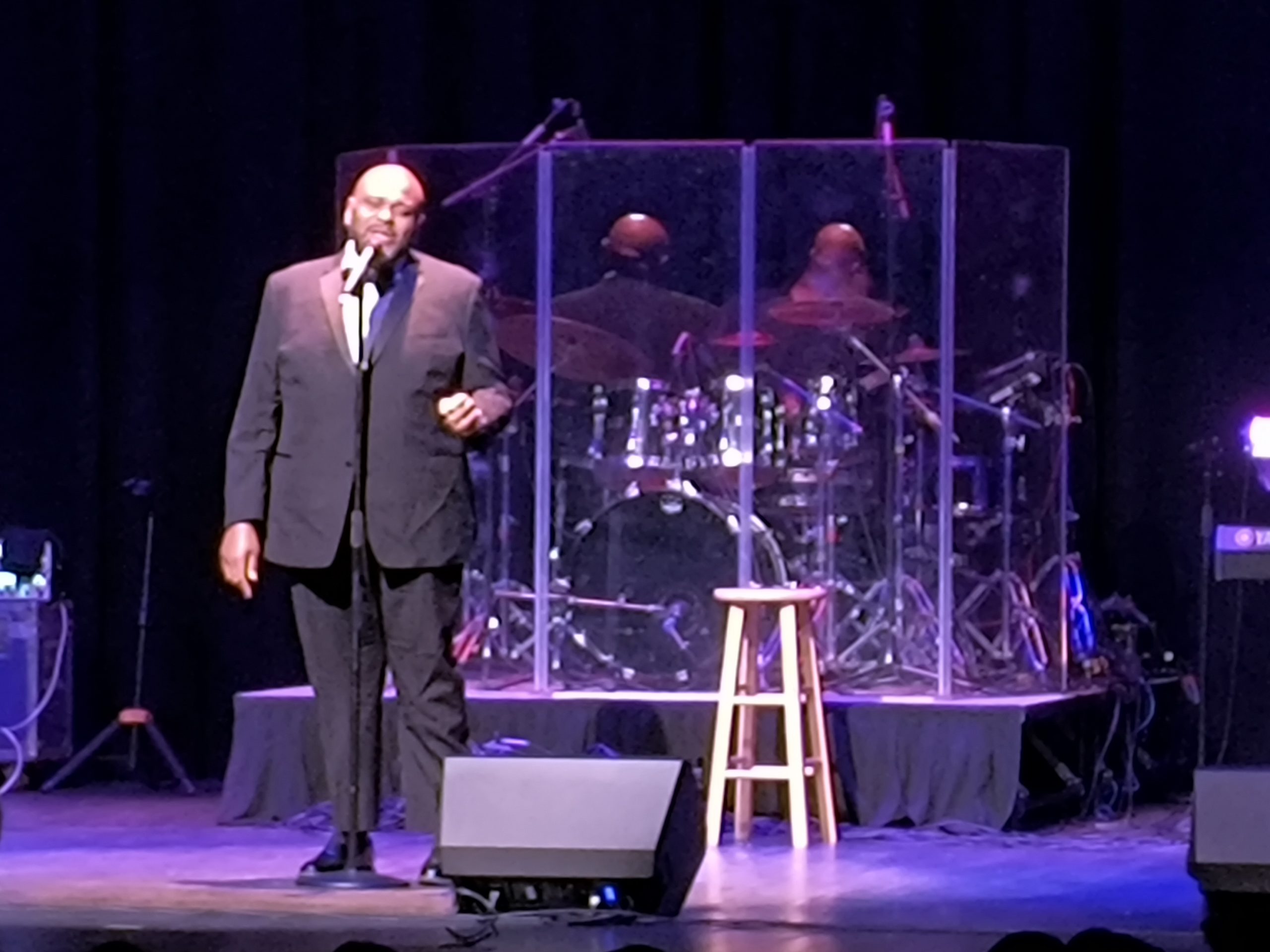
Visiting the beautiful Hard Rock Hotel and Casino to see legendary comedian Jay Leno live in concert on Saturday, October 24, with my dear friend Jeremy Miller, was a rare treat. The 2,000-seat Hard Rock Live venue was filled to capacity to witness the former Tonight Show host make his first-ever appearance in Bristol, Virginia. At 75 years old, Leno took the stage promptly at 8:15 p.m. and delivered a 90-minute set straight through—no breaks, no tangents, just pure, classic stand-up. “It’s hard being a comedian today,” he admitted early in the show. “You say the wrong thing, and you get this cancel culture admonition.” That may have been Leno’s way of explaining the absence of political jabs that once defined his Tonight Show monologues during his 22-year run on NBC. He did, however, sprinkle in a few well-aimed jokes at the expense of current and former presidents Donald Trump and Joe Biden. “Trump said first she was Black, then she was Indian,” Leno recalled Trump’s comments about Kamala Harris. “He’s done the same thing—first he was white, then he was orange.” Leno also noted that a prestigious university recently analyzed one of Trump’s speeches and determined that Trump spoke at a fifth-grade level. “After hearing this,” he quipped, “Trump called the researcher a doo-doo head.” “Biden claimed the press was only there to dig up dirt on him,” he said. “Anyone qualified to dig up dirt on Joe Biden should be classified as an archaeologist.” From there, Leno shifted toward more personal and nostalgic material, and the evening truly came alive. The highlight of his set centered on his immigrant parents—his mother, a Scottish refugee, and his father, an Italian prizefighter. He recalled one memorable Thanksgiving dinner when his mother prepared a feast complete with both turkey and lasagna. Exhausted, she handed her husband an electric carving knife and asked him to carve the turkey. Two clicks later, the knife wouldn’t start. “The knife is dead!” his father shouted. “Do I have to do everything around here?” “If you think a cooked turkey can’t fly, I’m here to tell you—it can,” Leno grinned as he described what happened next. “We heard it hit three of the four walls, and nobody even looked up from their meal.” He also shared how his mother’s unintentional movie reviews became comedy gold on The Tonight Show. After sending her to see Scarface, he called for her opinion. “During that scene where they’re cutting him up in the bathtub,” she told him, “why do they have to use such bad language?” “There she was, enjoying this decapitation scene,” Leno laughed. “And she was offended by the foul language!” Another favorite memory involved introducing Sting to his father backstage at The Tonight Show. “My parents were never impressed by celebrities,” he said. “They didn’t know anyone past Alan Ladd.” “Stingman?” his father said, mishearing. “Nice to meet you, Stingman.” Leno also recounted taking his mother to dinner at the famous Chasen’s restaurant in Beverly Hills—a spot she recognized from her favorite show, Dallas. When she spotted actress Connie Stevens, one of her longtime idols, Leno arranged for Stevens to stop by their table. His mother lit up. “Connie Stevens!” she exclaimed. “Whatever happened to you?” Leno later reflected on aging and marriage with his trademark self-deprecating wit. “Thirty years ago, I wrecked my motorcycle on a Friday and was back at work Monday,” he compared his current aches and pains to his younger days. “Last Thursday, I yawned and turned my head at the same time—and I’m just now able to move my neck again.” He spoke lovingly of his wife of 45 years, Mavis, without mentioning her recent health challenges. Instead, he focused on their shared quirks. “My wife makes me turn off any show where an animal might be harmed,” he said. “The other night she was watching a show where a woman stabbed her husband 68 times—and she was so into it she started mimicking the stab wounds!” “Men can flirt until about 52,” Leno joked about his newfound invisibility. “After that, if you compliment a woman, you’re creepy. But after a while, women just stop noticing you altogether. At my age now, women are changing clothes right in front of me!” “A woman pulled up beside me, rolled down her window, and asked for my number,” he told of a recent encounter while driving. “I smiled and said, ‘Thanks, but I’ve been happily married for 45 years.’ She said, ‘No, you don’t understand—I’m a private nurse. Here’s my number in case you ever need my services.’” In summary, Jay Leno remains as sharp and charismatic as ever. His 90-minute set flowed effortlessly from start to finish, without audience interaction or topical pandering. It was simply vintage Leno—timeless, quick-witted, and observationally brilliant. It was an honor to see a living legend in person, someone I grew up watching every night behind the Tonight Show desk. Here’s hoping I’ll have the same opportunity to see Jimmy Fallon in the years to come.    

Strictly Observing

“Wicked” provides daddy/daughter date of the season

“Wicked” provides daddy/daughter date of the season

Taking my daughter to see Wicked at the Belk Theater of the Blumenthal Performing Arts Center in Charlotte, North Carolina on October 19th was easily one of the highlights of my year. This stunning adaptation of L. Frank Baum’s timeless Wizard of Oz novels — and the legendary 1939 film — proves that there’s still new magic to be found in the merry old land of Oz. This national touring production of Wicked is, without question, the most extraordinary piece of live theater I have ever witnessed. I say this after more than 20 years of reviewing local, regional, and national touring performances in the realm of musical theater. Once you factor in the breathtaking special effects (Chic Silber), the unbelievable talent of the cast, the impeccable vocals and acting, and the kaleidoscopic lighting design (Kenneth Posner), it’s impossible not to be awed. Every element — from the intricate costumes (Susan Hilferty) to the elaborate set pieces (Eugene Lee) to the enormous dragon that hovered menacingly above the stage — worked together to create one of the most immersive and vibrant productions imaginable. My mother has seen Wicked multiple times — twice on tour and once on Broadway — and she has always spoken of its magic. My daughter Bella first introduced me to the film version one quiet afternoon when I had nothing else to do, and to my surprise, I absolutely fell in love with it. My wife Emily and I even attempted to read Gregory Maguire’s novel but couldn’t make it through — the book is far denser and darker than its musical counterpart. The turning point came last year when Bella performed “For Good” at her fifth-grade graduation and cried while singing it. She told me she had to see the show live someday. I began searching months in advance and discovered that Wicked would be coming to Charlotte. I bought tickets for her birthday in the spring, and we’d been eagerly counting down the days ever since. We attended the performance with our dear friend Jeremy Miller, who has long been my go-to companion for concerts and live shows — and my dependable chauffeur as well. Together, the three of us enjoyed this incredible production for just $41 apiece. As an 11-year-old immersed in today’s pop scene, Bella may have felt a little envy toward the 17,500 fans across the street watching Billie Eilish that same night, but I assured her that we got the better deal: a two-and-a-half-hour masterpiece for less than one-third the price of a 90-minute concert. From our balcony seats, we had an exceptional view — one that allowed us to peek into the orchestra pit, where the musicians were tuning their instruments, many of them doubling on more than one throughout the evening. We could also see the stagehands climbing ladders to manage the dazzling lighting cues and the mechanics behind the Wizard’s imposing head and Glinda’s famous bubble. After the show, we had the privilege of meeting several members of the cast, including Zoe Jensen (Glinda), who told us that the bubble used in this touring production was the very same one Kristin Chenoweth rode in during the Tony Awards. It was surreal to stand beside these extraordinary performers, especially since Wicked includes characters who use wheelchairs — a detail that holds deep personal meaning for me. In an unexpected moment of serendipity, I met and was photographed with Jada Temple, who portrayed wheelchair-bound Nessarose, and Nicolas Garza, the actor who played her devoted boyfriend, Boq. We also met the leading man, Fiyero (Ethan Kirchbaum), whose chemistry with Elphaba (Jessie Davidson), brought a spark of humanity and tragedy to the show’s emotional center. Davidson gave a soul-stirring performance that earned spontaneous applause the moment she stepped onstage. Her rendition of “Defying Gravity” was nothing short of breathtaking, and the roar of the audience when she hit that final note was enough to shake the rafters. Every performer in the ensemble was outstanding — from Dr. Dillamond (Drew McVety)’s heartfelt portrayal to the commanding presence of the Wizard (Blake Hammond) and the conniving Madame Morrible (Eileen T’Kaye). What makes Wicked so powerful, beyond its spectacle, is its story. It pays loving tribute to Baum’s original Oz world while offering a thoughtful, modern reflection on society’s treatment of those who are “different.” Beneath its dazzling surface lies a commentary on inclusion, identity, and perception. In a world that claims to celebrate diversity, Wicked reminds us how easily acceptance can become patronizing and how often power hides behind the mask of goodness. I’ve often been skeptical of adaptations that try to rewrite the boundaries of good and evil, but Wicked handles this balance masterfully. No one is purely wicked, and no one is purely good — each character is flawed, human, and relatable. That imperfection is what makes them real, and what gives color to the world they inhabit. As a piece of modern theater, Wicked is an extraordinary achievement — a dazzling commentary on identity and power wrapped in unforgettable songs (Stephen Schwartz), choreography (James Lynn Abbott), and design. It’s no wonder the Broadway production remains a global sensation and the upcoming two-part film adaptation — featuring the Oscar-nominated talents of Cynthia Erivo and Ariana Grande — is already among the most anticipated releases of the decade. For anyone who doesn’t know, Part Two hits theaters next month. Bella and I left the Belk Theater feeling like we had been given a glimpse of something timeless. To see it performed live, with such emotion and artistry, was an experience beyond words. Every number received thunderous applause, each one fully deserving of its ovation. It was a daddy/daughter experience I’ll never forget and will treasure for the rest of my life.

Strictly Observing

Face Value rocks Marion

Face Value rocks Marion

I never dreamed a Phil Collins and Genesis tribute band would come within 25 miles of my hometown. But on October 10th, Face Value: A Tribute to Phil Collins and Genesis, a relatively new group formed out of Nashville, took the stage at the beautiful Lincoln Theatre in Marion for an electrifying two-hour performance. My only disappointment was the absence of the group’s much-celebrated horn section, an element essential to Phil Collins’s signature sound. After the show, I met with the band’s lead singer and drummer, Joey Simonton, a Charleston, West Virginia native, who explained their absence. “I wanted to bring the horns,” Simonton said. “It just didn’t make sense financially for this market.” It was a practical decision based on ticket sales; attendance that night numbered only around seventy. Yet, what the audience lacked in size, it made up for in passion. My wife Emily, daughter Bella, and I, lifelong fans of Collins and Genesis, were among them, cheering with the same enthusiasm as if the Lincoln were packed to the rafters. Simonton and his phenomenal band brought a 25-song setlist that balanced the horn-driven hits of Collins’s solo career with Genesis favorites that rarely get radio play. The show opened with a powerful rendition of “Something Happened on the Way to Heaven,” which immediately set the tone. To my delight, Simonton gave me a personal shout-out at the start, which made the evening all the more special. That killer opener was followed by “I Missed Again,” one of my favorite tracks from Collins’s debut album, the band’s namesake. Next came “No Reply at All,” one of the few Genesis tracks to feature horns, and then my all-time favorite Genesis anthem, “Turn It On Again.” The crowd responded enthusiastically as the band launched into “Paperlate,” another horn-laced Genesis rarity, before shifting gears into “Land of Confusion.” “This is a heartwarming tale about nuclear destruction,” Simonton quipped at the song’s introduction, acknowledging the Grammy-winning music video featuring the satirical puppets from the British TV series Spitting Image. “The video for this song was huge on MTV when I was growing up, back when MTV actually played great music videos for six years or so.” The band followed with “Who Said I Would,” a deep cut from No Jacket Required, then slowed things down for the haunting “Another Day in Paradise.” Before performing it, Simonton spoke passionately about his missionary work in the Philippines. He and his wife, who is from there, volunteer through Closer to the Heart Ministries, providing food, school supplies, and other essentials to children in need. “We hope to get the band over there next year to do some missionary work for the kids,” he said. “This song reminds us how blessed we are to live in the United States and how grateful we should be for everything the Creator does for us.” From there, the set picked up again with “Misunderstanding” from Genesis’s Duke album, followed by “Easy Lover”. Bassist Sean Harrison, a longtime friend of Simonton, joined him for the energetic duet, capturing the chemistry of Collins and Philip Bailey perfectly. Guitarist Dante Bonasera impressed throughout the night, delivering blistering solos reminiscent of Daryl Stuermer’s style. The youngest member, Justus Mitchell, just 24 years old, amazed the crowd with his command of the keyboards. I couldn’t believe someone his age even knew Phil Collins, let alone played his songs so beautifully. Behind the kit, Jon Ross, drummer and musical director, anchored the group with power and precision. Like Collins, he’s a left-handed drummer and even plays on a similar kit, giving the performance an authentic sound. Simonton, too, proved himself a worthy alter ego to Collins both as a vocalist and percussionist. He joined Ross for the legendary dual drum solo during “In the Air Tonight,” which closed the first half of the show in breathtaking fashion. But before that, the band tore through the Genesis hit “That’s All,” featuring incredible synchronized drumming. Before launching into the song, Simonton turned to me again from the stage and asked about the campaign led by Arizona fan Traci Baker, who has been petitioning to get Collins inducted into the Rock and Roll Hall of Fame as a solo artist. “Phil Collins is one of the most powerful drummers, singers, songwriters, and producers in the history of rock and roll,” Simonton declared. “We need all of you to go online and support the ‘Get Phil Voted In’ campaign.” The second act opened with “Hang in Long Enough,” another of my personal favorites, and the band returned with renewed energy. “Invisible Touch” and “Against All Odds” kept the crowd moving, followed by “Take Me Home,” “I Cannot Believe It’s True,” and “I Wish It Would Rain Down.” Each performance showcased the band’s remarkable musicianship and attention to detail. The Genesis hit “Throwing It All Away” led seamlessly into the band’s first chart success, “Follow You, Follow Me,” featuring a beautiful guitar and keyboard pairing from Mitchell and Bonasera. Next came “Don’t Lose My Number” and the rarely performed “Two Hearts,” during which Simonton and Ross once again doubled up on drums. Their extended drum duet that followed was nothing short of spectacular, a blistering display of rhythm and precision that stood as the evening’s highlight. Simonton stayed on drums for the Genesis deep cut “Just a Job to Do,” another standout moment, before the band brought the show to a roaring close with “Abacab” and “Sussudio.” During the final song, Simonton left the stage to personally greet every member of the audience, a touching gesture that summed up the warmth and authenticity of the night. My sincere thanks go to Bob Watkins for our front-row seats to this unforgettable show. It was a much-needed evening out and a night I’ll always treasure. Face Value: A Tribute to Phil Collins and Genesis is a must-see for any fan of rock performance at its finest.

Strictly Observing, Zach's At It Again

Millwald unveils new ‘speakeasy’

Millwald unveils new ‘speakeasy’

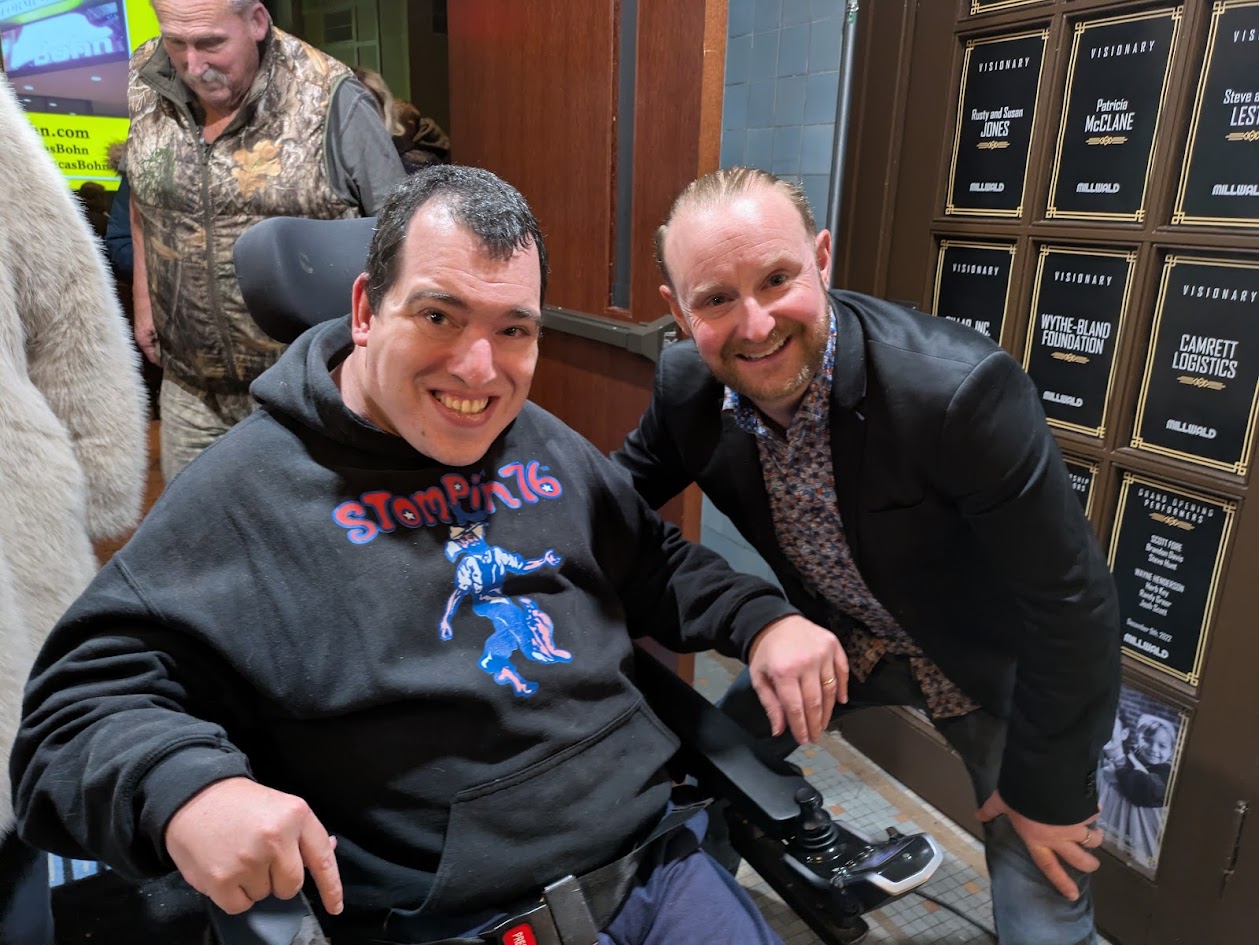
As I entered the Ghost Light Bourbon Bar, hidden away in the basement of the Millwald Theatre, secret password in hand, I was immediately transported back to 1928—the year this magnificent structure first opened its doors. Originally built to be a premier vaudeville theater, the Millwald never had the chance to fulfill that dream. Just one year after opening, the stock market crashed, plunging the nation into the Great Depression. Wytheville suffered like countless other towns across America. The shining new theater closed off its planned orchestra pit forever, and live vaudeville performances never took place there. For years, I had believed—and honestly hoped—that the Millwald had once been a home for vaudeville acts. Sadly, I wasn’t the only one whose dream was dashed. According to local legend, a young woman named Mary Alexander had pinned all her hopes on making her vaudeville debut at the Millwald. After the crash, she reportedly vanished without a trace. Where did she go? Did she leave town? Did she die? Did she go into hiding? Did she even exist? These questions have lingered for decades, adding an air of mystery to the theater’s history. Today, following its beautiful renovation completed in December 2022, the Millwald has become a true jewel of Wytheville. It spent decades as a beloved movie house, defining childhood memories for generations of locals—including my mother and me. Now, the addition of the Ghost Light Bourbon Bar brings a new layer of history, mystique, and allure to this iconic space. The bar’s name is inspired by the “ghost light,” a single bulb left burning on every stage to keep actors safe in a dark theater. But here, the term takes on a more literal meaning. There are numerous ghost stories surrounding the Millwald. Tales circulate of children whose favorite place was the theater, and of former staff members so devoted to their work that perhaps they never truly left. And then, of course, there’s Mary Alexander. Some believe her spirit still lingers—either within the theater itself or in the secret space now known as the Ghost Light Bourbon Bar, rumored to have once been her dressing room. The idea for this hidden space came from Technical Director Suzy Booth and Executive Director Donnie Bales. They envisioned a separate, exclusive area where patrons could enjoy an intimate experience apart from the theater itself. “Given the Millwald’s history, a speakeasy just made sense,” Suzy told me during our conversation on September 27, as we sat surrounded by the bar’s rich atmosphere. “When we first started, this was just a plain beige room,” she explained. “We chose the red velvet curtains, painted the walls a deep green, and brought in mismatched, vintage-inspired furniture to give it character.” The décor includes an old film projector, books from the early 1920s, and dim, intimate lighting that evokes the Prohibition era. Though the Ghost Light Bourbon Bar is part of the Millwald, Suzy emphasized that they wanted it to have its own identity and vibe. On certain nights, silent movies are screened for guests. Most recently, Wytheville native Chase Altizer became the bar’s first live performer, playing to a packed audience of 35. The upcoming screening of the original Nosferatu has already sold out. “We’re still figuring out what all we can do in this space,” Suzy said with a smile. “It’s been exciting to see how people respond.” Bartender Mike Ambrose moved to Wytheville nine months ago from Bakersfield, California. In addition to serving drinks, he helped with the painting and restoration of the bar. The menu, curated by Brenton Underwood, is a tribute to the Golden Age of Cinema, Prohibition, and of course, the legend of Mary Alexander. Each cocktail is steeped in history and storytelling. The Millwald ‘28 is comprised of Tanqueray gin, lemon, Aperol, prosecco, and dried rose petals. The Method is a concoction of Maker’s Mark, house-made brown sugar syrup, Angostura bitters, black walnut bitters, dehydrated blood orange wheel, and soda. Matinee Mischief combines Tito’s vodka, house grapefruit syrup, lime, dehydrated lime wheel, and a Himalayan salt rim. Mary’s Prescription blends Maker’s Mark, Domaine de Canton, lemon, sugar, bitters, and dried rose petals. A wide variety of bourbons, wines, beers, and champagnes are also available. From the moment I entered through the secret door, I was completely captivated by the space. The dim lighting, deep red curtains, and the smooth sounds of Nat King Cole and Frank Sinatra transported me to an era I could only dream about, and here I was, living it. I’m deeply grateful to Suzy Booth and her husband, Dustin, for sharing their vision and passion for this project. This remarkable space is certain to become a favorite hangout for locals and visitors alike. To be part of its magic, you must join their mailing list at www.ghostlightbourbonbar.com to receive updates and access. I’m so glad I did. I’m also thankful to Mike Ambrose for his warm hospitality and conversation, as well as to Donnie Bales for giving me the chance to experience this hidden treasure. There is a $5 cover charge for entry, with special events carrying their own ticket prices. For me, the accessibility of the space made the evening even more meaningful—I was able to reach it easily by elevator. After all, no place is truly worth visiting unless everyone is given the chance to experience it. The Ghost Light Bourbon Bar is more than just a speakeasy. It’s a living piece of Wytheville history—a space where past and present meet beneath the glow of a single lightbulb. I look forward to watching its story unfold, and perhaps, to finally uncovering the truth about the mysterious Mary Alexander. Until then, I know this is a place I will return to again and again.

Strictly Observing

Fab Four wows Roanoke

Fab Four wows Roanoke

The Fab Four brought the spirit of The Beatles back to life Thursday, September 25th with a fantastic concert at the Berglund Performing Arts Theater in Roanoke. My 11-year-old daughter, Bella, was actually the main reason my family went. She discovered Gavin Pring online and excitedly told me, “We have to see this show coming to Roanoke!” While I’d had the honor of interviewing Gavin, a Liverpool native who usually plays George Harrison, for my podcast, he wasn’t on stage that night. Instead, Robbie Berg filled in as George—and he did so brilliantly. One of the highlights of the evening came near the end when the band invited everyone to come down to the front for the final three songs. Being in a wheelchair, I stayed in my spot, but I urged my wife and Bella—both lifelong Beatles fans—to get close to the action. Bella was thrilled afterward, bragging about getting two fist bumps from Robbie and one from Adam Hastings, whose resemblance to John Lennon was downright uncanny. Hailing from Newcastle, England, Adam truly embodied Lennon—right down to the voice, mannerisms, and wit. My personal favorite of the group, however, was Neil Candelora, who portrayed Paul McCartney. Neil had an incredibly soulful rasp to his voice, a quality McCartney himself still has at age 83. With his youthful good looks and magnetic personality, Neil commanded the stage and kept the audience captivated from start to finish. Erik Fidel rounded out the group as Ringo Starr, showing not only remarkable drumming skill but also undeniable showmanship. Having seen the real Ringo perform “With a Little Help From My Friends” just three months ago, I was amazed by how closely Erik captured both the sound and spirit of the original. Each member of The Fab Four was extraordinary, perfectly channeling their Beatles counterpart in personality, appearance, sound, and humor. This particular show included The Beatles’ entire Help! album, which meant some very special performances of songs that aren’t always heard live. For me, it was a treat to experience songs I don’t hear every day. Candelora led a beautiful rendition of “Another Girl,” while Hastings performed “You’re Going to Lose That Girl” with true Lennon flair. Our personal favorite of the night was Robbie Berg’s heartfelt take on “I Need You” as George Harrison. Of course, Erik Fidel brought down the house with Ringo’s signature Buck Owens cover, “Act Naturally.” No Beatles retrospective would be complete without a nod to the legendary Ed Sullivan Show appearance of February 9, 1964. The Fab Four recreated that historic moment with performances of “I Want to Hold Your Hand,” “She Loves You,” and “I Saw Her Standing There.” These numbers were introduced by comedian George Trullinger, who played Ed Sullivan with perfect comedic timing. “We’ve got a young crowd tonight,” he quipped to laughter. “No, really—we played a show in Miami Beach last night. Believe me, this is a young crowd.” Ironically, when he first walked onstage, I thought he looked more like Richard Nixon. Sure enough, Trullinger made a joke about often being mistaken for the former president before flashing Nixon’s iconic double peace signs and delivering the famous line: “I am not a crook… at least by today’s standards.” After a 45-minute electrifying first set, The Fab Four returned to deliver a selection of songs from Sgt. Pepper’s Lonely Hearts Club Band. One of the evening’s most poignant moments came when Adam Hastings took the stage alone to perform the John Lennon classic “Imagine.” “I think it’s appropriate to acknowledge the man who became my biggest hero,” Hastings said sincerely. “Someone who simply wanted us all to love one another was taken from us in such a senseless way. I think it’s important that we continue to respect and admire him for what he stood for.” His moving performance brought the audience to their feet. Then came Robbie Berg’s spotlight moment with a stunning rendition of George Harrison’s “Something,” delivered with both reverence and power. The evening reached its crescendo with rousing performances of “Revolution,” “Get Back,” and of course, the unforgettable closer, “Hey Jude,” which had the entire theater singing along. Included in the night’s setlist were Help! standouts like “Ticket to Ride,” “You’ve Got to Hide Your Love Away,” and “The Night Before,” as well as earlier hits like “A Hard Day’s Night” and “Can’t Buy Me Love.” The haunting “A Day in the Life” and the horn-driven “Got to Get You Into My Life” were also special highlights. All told, The Fab Four performed more than two dozen songs over 105 minutes—an evening that seemed to fly by in an instant. One of the things that makes The Fab Four so special is their humor. Between songs, they bantered with the audience, delivering quick-witted lines that kept everyone smiling. “I know Ed said you could take pictures before the show started,” Hastings joked. “I have to tell you, that’s not true because cell phones haven’t been invented yet.” “Now, we’d like to do a cover of my favorite Justin Bieber song,” he added a beat later. “Oh, wait, he hasn’t been invented yet either.” “If there were more gatherings like this in the world,” my wife said, perfectly summing up the evening as we headed home. “The world would be a much better place.” I couldn’t agree more. I’m deeply grateful to Jeanne Dininni for giving my family and me this incredible opportunity, and to Gavin Pring for the privilege of interviewing him. It’s an experience we will treasure for the rest of our lives.

Strictly Observing

R&B royalty take Greensboro stage

R&B royalty take Greensboro stage

Saturday, September 19th was a night steeped in music history at the First Horizon Coliseum—formerly the Greensboro Coliseum—as the second leg of the 4 Queens, 1 Stage tour kicked off before 15,000 fans. Starring four legendary voices in R&B—Gladys Knight, Stephanie Mills, Patti LaBelle, and Chaka Khan—the three-hour concert promised a once-in-a-lifetime experience. For me, it was more than a show. I attended with my dear friend Jeremy Miller, and as a lifelong fan of these women, seeing them all on one stage felt like a tremendous gift. I’d dreamed of catching each artist live, but witnessing them together was a rare, special gift. Despite serious sound mix issues—the loudest concert I’ve ever attended—the evening was worth every cent of the $113 ticket price. Patti LaBelle and Chaka Khan each delivered full, hour-long sets, while Gladys Knight and Stephanie Mills opened the night with tight, 30-minute performances. At 81, Gladys Knight showed why she remains the Empress of Soul. Without banter or filler, she launched straight into a medley of classics: “Taste of Bitter Love,” “Love Overboard,” “I’ve Got to Use My Imagination,” “Best Thing That Ever Happened to Me,” “If I Were Your Woman,” and “I Heard It Through the Grapevine.” My favorite moment was “Neither One of Us (Wants to Be the First to Say Goodbye),” sung with minimal backing vocals, allowing her voice to shine. The crowd jumped to their feet, bringing Knight to tears. She closed with “That’s What Friends Are For,” and, of course, “Midnight Train to Georgia.” One of her backup singers also offered a stirring rendition of Donnie McClurkin’s gospel hymn “Stand.” Knight’s commanding voice soared above the overpowering band, delivering a master class in soul performance. Stephanie Mills, the youngest of the four at 68, brought funky, infectious energy. She opened with “What Cha Gonna Do With My Lovin’” before moving into “You’re Puttin’ a Rush on Me,” “Something in the Way You Make Me Feel,” and “I’ve Learned to Respect the Power of Love.” Her son, Jason, led the background singers in a falsetto run that added a personal, emotional touch. Mills saved her biggest hits for last, thrilling the crowd with “Never Knew Love Like This Before” and her signature number from The Wiz, “Home.” Her voice was strong and clear, closing out the first half of the show on a joyful note. When Patti LaBelle took the stage, the audience roared. At 81, she remains a force of nature. Her hour-long set mixed powerhouse vocals, heartfelt tributes, and moments of pure showmanship. She opened with my favorite, “Love, Need, and Want You,” followed by “If Only You Knew” and her iconic duet with Michael McDonald, “On My Own,” performed beautifully alongside her backup singer. From there, she dove into “The Right Kinda Lover” and “My Love, Sweet Love” from the Waiting to Exhale soundtrack—a performance that brought me to tears, thinking of my wife, Emily, and wishing she were there beside me. Other highlights included “Somebody Loves You Baby” and a stirring gospel medley led by her backup singers: “Something About the Name Jesus,” “Lead Me Lord,” and her own “You Are My Friend.” During this segment, a video tribute honored LaBelle’s late friends Luther Vandross, Michael Jackson, Aretha Franklin, Tina Turner, and Natalie Cole. Midway through, LaBelle surprised the audience with a costume change, swapping her glittering gold gown for a black pantsuit with an oversized collar. At one point, the diabetic singer was handed orange juice on stage, briefly alarming the crowd as she caught her breath and appeared winded. For one number, she left the stage while her dynamic horn section stole the spotlight with a fiery, choreographed instrumental of “Can We Talk For A Minute?” LaBelle returned to deliver a rousing “Lady Marmalade,” bringing the audience to its feet and closing her set with electricity. When Chaka Khan emerged, anticipation was sky-high. Unfortunately, the sound mix hit its worst point during her opening songs, “This Is My Night” and “Do You Love What You Feel.” The volume was so extreme that it shook the floor and sent many fans covering their ears or leaving their seats. Thankfully, the levels were later adjusted, improving the experience for songs like “What Cha Gonna Do for Me.” Khan, 72, included deep cuts like “Stay” and “Everlasting Love” and even stepped behind the drums for “I’m a Woman, I’m a Backbone,” showcasing her versatility. However, parts of her set faltered. “Sweet Thing” was disappointing, with Khan splitting vocals between the audience and a backup singer. “Through the Fire” fared slightly better, but her rendition of “My Funny Valentine” was so loud that her trademark wail—once likened by Miles Davis to a trumpet—came across as painful rather than powerful. As the set dragged, many fans began leaving. Khan herself acknowledged the problems, candidly telling the crowd, “We could have done better. We know that.” Then came redemption. Closing with “I Feel for You” and “I’m Every Woman,” she reignited the audience. Just as I thought I’d be cheated out of my favorite Chaka Khan number, for the encore, she launched into “Ain’t Nobody,” bringing the remaining crowd to its feet in a joyous frenzy. It was a thrilling finale that ensured the night ended on a high note. Despite uneven moments and sound issues, seeing four queens of R&B share one stage was unforgettable. It wasn’t just a concert but a celebration of soul music and living history. I felt deeply grateful. For $113, I hadn’t just bought a ticket to a show—I’d purchased a memory that will never be repeated, a once-in-a-lifetime evening of legends united in song.

Strictly Observing

Perfect night for symphony

Perfect night for symphony

Sunday, September 14th was an evening made to order. The weather cooperated perfectly—warm, around 80—setting a stage that felt cinematic before a single note was played. The Roanoke Symphony Orchestra, in full force, took the stage at Elizabeth Brown Memorial Park in Wytheville for a one-of-a-kind concert facilitated by the Millwald Theatre. Several hundred people gathered; my wife and I were among them, enjoying a rare date night. After a satisfying meal at Burger Express on Main Street, we strolled along the beautifully bricked Heritage Walk toward the park. By the time we arrived, twilight had settled in, and the mood was just right. The concert, in two acts lasting about 67 minutes in total, opened with the stirring strains of The Star-Spangled Banner, featuring the Roanoke Symphony Orchestra Chorus. Maestro David Stewart Wiley, who leads the Roanoke Symphony, greeted the audience with warmth. “We are honored to be your orchestra,” he said. “We are an ensemble whose geographic reach is among the largest in Virginia.” What followed was a program that wove together patriotic fare, popular film scores, and adventurous percussion—all delivered under a spacious, open sky. One of the evening’s most inventive features was the group Plastic Music, who served up drums made of plastic and sticks fashioned from drain-pipe, along with boomwhackers—tubular percussion instruments pitched to different notes. Their work in In the Hall of the Mountain King shone: those unusual instruments added texture and surprise, carrying through later numbers as a recurring highlight. Next came a five-minute medley from Titanic (1997), composed by James Horner. The Roanoke Symphony tackled both the sweeping oceanic beginning and the impending danger of the iceberg, building toward the iconic My Heart Will Go On. Principal oboist William P. Parrish Jr. was featured beautifully in that latter part; his clarion tone added poignancy to the melody. Patriotic tunes held center stage next: a spirited pairing of Yankee Doodle and You’re a Grand Old Flag, presented under the banner of Star-Spangled Spectacular by George M. Cohan. Later, they performed God Bless America and an Armed Forces salute. These numbers were colored by the rich voice of Mayar Moneir, who also delivered stirring renditions of You’ll Never Walk Alone, Feeling Good, and even Dolly Parton’s Jolene—a nod to country classicism amid the evening’s eclectic mix. The first act wound down around the 45-minute mark; the second, shorter roughly 20 minutes, opened in striking fashion with Gioachino Rossini’s William Tell Overture, once again featuring Plastic Music’s boomwhackers. One of the evening’s climaxes came with a rendition of Led Zeppelin’s Kashmir, featuring a blistering electric guitar solo by Mike Havens. Maestro Wiley had high praise. “Mike is a wonderful educator, a great guitar player, and an all-around wonderful human being,” he said. Another highlight was The Raiders March from Raiders of the Lost Ark, John Williams’s adventurous and instantly recognizable theme from the 1981 film. It opens with a bold brass fanfare, has sweeping strings, woodwinds, and the sort of rhythmic drive that captures both daring and grandeur. It’s classic Williams—heroic, cinematic, and full of energy. Toward the end of the program, the audience was treated to Alexander Borodin’s Finale from Polovsian Dances, a suite from the 19th century opera, Prince Igor. A Russian composer by night, Borodin serves as a chemist at his day job. Maestro Wiley also took time to reflect on the community and connections. He spoke of Wytheville’s history of collaboration with the Roanoke Symphony, citing Wytheville as the hometown of Ashley Hall, who got her start in the Youth Symphony and later joined Canadian Brass. He also praised Dolly Parton—not simply for her songs, but for her generosity, particularly her Imagination Library, which has given widely to her home region. In summary, Emily and I enjoyed a very special evening. We are deeply grateful to the Millwald Theatre, the Roanoke Symphony Orchestra, and Elizabeth Brown Memorial Park—not just for the beautiful atmosphere but for the unforgettable artistry. It was a night we will always treasure. I also want to thank friends at the Millwald—Mastin Paisley, Donnie Bales—for making sure I was part of this event. Supporting what they bring to our community is one of the highlights of my life and career.  

Strictly Observing

Zach finds “Home” in new novel

Zach finds “Home” in new novel

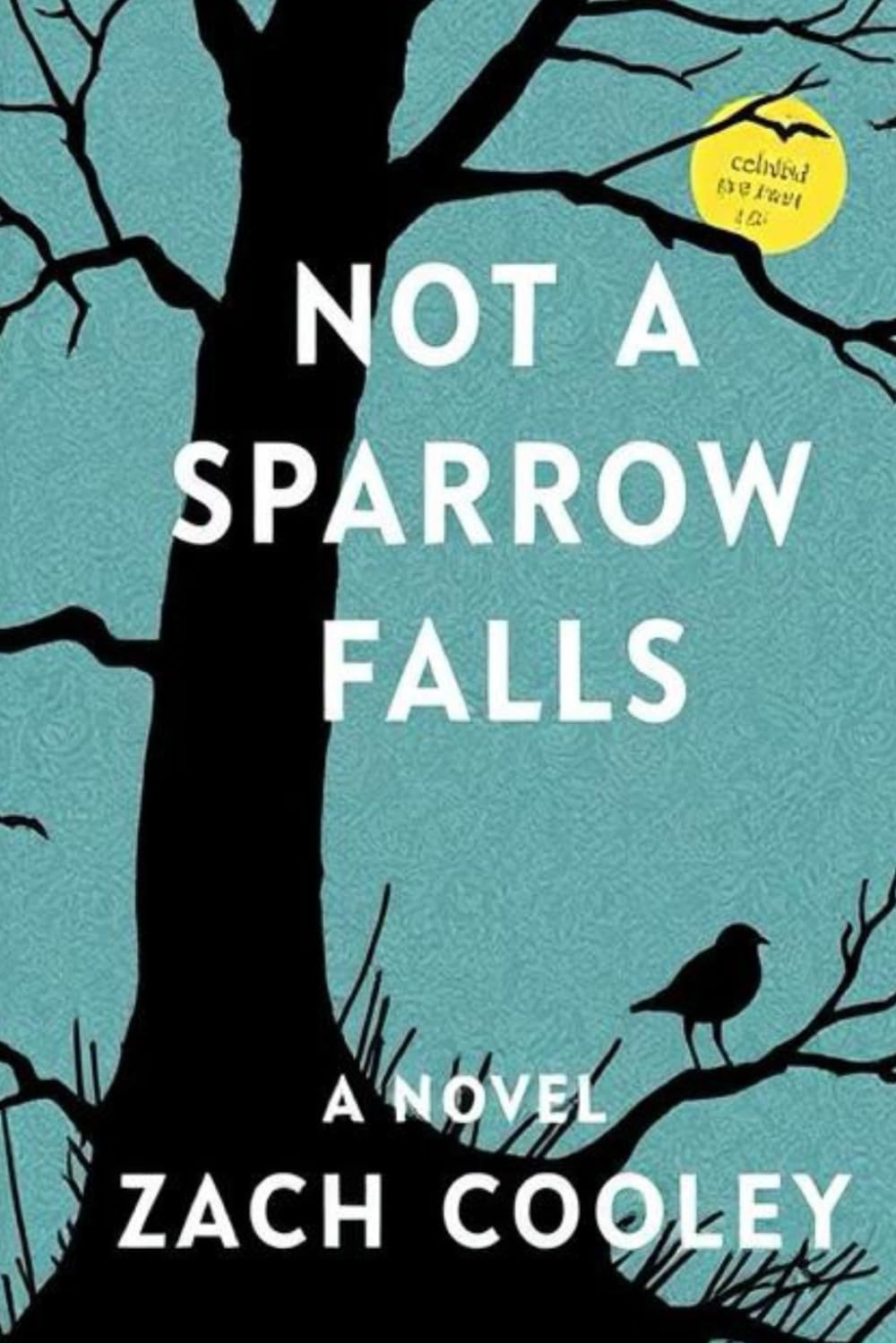
When it came time to build the world of my newest novel, Home, I realized I didn’t need to imagine an entirely new place. I already lived in one. For many, a house is just a structure—a roof, four walls, and a place to rest at the end of the day. But for me, my home is a living, breathing thing with a century’s worth of stories etched into its bones. It’s a place where memories linger, where joy and heartbreak have left invisible imprints. It’s a place of deep magic. I never expected to own a home like this. Growing up with cerebral palsy, my parents didn’t prepare me for milestones like marriage, parenthood, or homeownership. Those dreams felt impossibly distant. So when my wife Emily and I got married in 2010, we fully expected to rent for the rest of our lives. But life has a way of surprising us. One day, while looking for a new lease, a friend mentioned we might be able to afford a mortgage for about the same price as rent. At first, I didn’t believe it. I’d grown up riding around Wytheville with my parents, gazing out the car window at the old houses lining Fourth Street—grand, century-old homes that seemed like palaces. Owning one of them felt like an impossible dream. And yet, through a combination of providence and perfect timing, one of those very homes came up for sale—foreclosure had brought its price within our reach. We bought it. The day we moved in, Emily and I looked at each other and knew, without a doubt: We were home. As we settled into our new life, I couldn’t help but wonder about the house’s past. Who had walked these halls before us? What laughter, arguments, and dreams had filled these rooms over the decades? I dug through courthouse records, uncovering a fascinating timeline that stretched back to 1915, when the house was first built by a young couple named William and Daisy Moore. Their story began in joy but ended in tragedy—both of them died young, leaving their dream home behind. Over the next century, other families came and went. There were eras of great happiness, like when the Pope family lived there for fifty years, raising children and hosting weekly card nights. And there were darker times, when conflict and grief seemed to drain the very warmth from the house. One detail stood out to me: in one hundred years, no child had ever been born living in the house. Many had lived there, of course, but none had entered the world under its roof. That changed in 2014, when our daughter Bella was born. To me, that felt like magic—like a blessing written into the very foundation of the home. That spark of wonder grew into a story. At first, it was just a simple poem for Bella. I called it The Rose Princess. With illustrations from a friend, we turned it into a children’s book, but as time passed, I realized there was more to tell. The house wasn’t just the setting for a sweet little poem. It was the heart of a much larger story—a battle between light, darkness, hope, and despair. Bella would the center of this magical legacy. That’s when Home was born—a full-length novel blending fantasy with the very real history of Wytheville and my own family. In the world of Home, the roses that bloom around the house are magical. When love and goodness fill the rooms, the roses flourish. But when evil stirs, they wither and fade. The first owner, Daisy, becomes an enchantress who sacrifices everything to protect the home she built. Across generations, families come and go, while a dark force—personified in the villainous Cyrus Owens—plots to corrupt the magic for his own ends. And then comes Bella, the first child ever born in the house, whose mysterious birthmark—a small rose at the back of her head—marks her as the one destined to defeat the darkness once and for all. It’s a story full of wonder, danger, and redemption. But at its core, Home is about something very simple: the love that turns a house into a home, and the courage it takes to protect that love. For me, Home isn’t just a fantasy novel. It’s a love letter to my family, my town, and to every person who has ever felt the power of a place to shape their story. I want to share this book with you—not just as readers, but as neighbors. That’s why I’m thrilled to announce that my first shipment of 50 signed copies will arrive by September 17th. These are special, limited editions, and once they’re gone, they’re gone. Here’s how to claim yours for $20 for scheduled local pickup or $30 to have a signed copy shipped directly to you. Payment can be accepted by PayPal at paypal.me/zacharygcooley, Cash App at $ZacharyCooley1, in person at 820 S. 4th St., Wytheville, VA, or by phone at (276) 620-7492 to arrange payment or pickup. As I sat on my front porch, watching Bella play in the yard, I’m reminded why I spent a decade writing this story. Life is full of challenges, and sometimes the world feels dark and uncertain. But even in the hardest seasons, there are places and people that bring light and renewal. For me, that place is this house. For you, it might be somewhere else entirely. My hope is that, when you read Home, you’ll feel a little of that magic for yourself. This book is about family and faith, about how the past shapes us and how love can heal even the deepest wounds. And it’s about finding courage—the kind that grows in the soil of our everyday lives, blooming quietly until we need it most.  

Strictly Observing

Fab Four to hit Roanoke

Fab Four to hit Roanoke

Southwest Virginia fans of The Beatles are in for a rare treat this fall. Voted one of the top 10 Beatles tribute bands in the world, The Fab Four will bring their internationally acclaimed show to the Berglund Performing Arts Theatre in Roanoke on Thursday, September 25, at 7:30 p.m. This Emmy-winning tribute act is celebrated for its uncanny recreations of The Beatles’ legendary music and style. The Roanoke performance will feature a special spotlight on the Help! album era, alongside an array of the band’s most beloved hits from across their career. The Fab Four has built its reputation on authenticity and attention to detail, and with three rotating lineups traveling worldwide, they keep Beatlemania alive for audiences everywhere. While longtime fans may know Gavin Pring as one of the world’s premier George Harrison impersonators, he will not be performing in Roanoke. But, Pring assures, Southwest Virginia will not be disappointed. “Robbie Berg is one of the best George Harrison impersonators I’ve ever seen,” Pring said in a recent phone interview. “He’s an excellent musician and the spitting image of a young George Harrison. The audience will be in great hands.” Joining Berg onstage will be Neil Candelora as Paul McCartney, Erik Fidel as Ringo Starr, and Adam Hastings — flying in from London — as John Lennon. “The great thing about The Fab Four,” Pring added, “is how well they bring out the individual talents of each player. Everyone has to resemble the Beatle they’re portraying, and they must be able to play those parts convincingly.” But Pring explained that tribute work isn’t always straightforward. Certain Beatles albums required creative solutions for live performances. “With Sgt. Pepper’s, for example, Paul played both bass and lead parts in the studio. Of course, you can’t do that live, so whoever’s playing George has to handle the lead while Paul sticks to bass,” he said. “You have to be flexible and ready to play whatever’s needed.” That flexibility, Pring noted, is key to success in a top-tier tribute band. “Resemblance is important,” he said. “Even if you’ve got the best voice in the world, you can’t play Paul McCartney if you’re 250 pounds and look like Carrot Top. You need the look and the attitude.” The band’s structure reflects that dedication to quality. The Fab Four maintains three versions of each Beatle, ready to step in at a moment’s notice if needed. “Each one of us has to be prepared,” Pring said. “I’ve filled in for Robbie before. There was a gig in Liverpool where Robbie couldn’t make it. I planned to manage backstage and visit my mother, but I brought my suits just in case. Good thing I did, because I had to go on as George that night without rehearsal. You have to know the material so well you can just jump in.” Beyond the music, there’s a whole layer of work audiences never see. “I’m usually the one who does the interviews,” Pring shared. “I’ve always been good at talking to people and being on television, so the band sends me to handle that side of things. Others, like Adam, who looks remarkably like John Lennon, are more often in front of the camera for promotional photos.” At its heart, though, the success of The Fab Four comes down to teamwork — the same quality that helped make The Beatles timeless. “We complement each other,” Pring said. “Everyone has strengths and weaknesses, and we balance them. That’s why the show works so well, no matter which lineup is on stage.” For Roanoke audiences, the promise is simple: a night of nostalgia, energy, and uncanny performances of music that defined a generation. Doors open at 6:30 p.m. on Thursday, September 25, at the Berglund Performing Arts Theatre, with the show starting at 7:30. Tickets are on sale now at https://www.etix.com/ticket/p/76064213/the-fab-four-roanoke-berglund-performing-arts-theatre.

Strictly Observing

Philippines native brings soulful art to Southwest Virginia

Philippines native brings soulful art to Southwest Virginia

Vall Dino was born in the Philippines and came to America at the age of nine, when his mother married a man from Virginia. One of three children, he and his younger sister left their island home and settled in Smyth County, Virginia, stepping into a world that was entirely new in both language and culture. When Vall entered Sugar Grove Elementary School, he couldn’t speak a word of English. Yet he carried with him a gift that transcended words — a gift that would endear him to countless classmates and, eventually, to an entire region. “I may not have been able to speak to them,” Vall told me during an August 14th telephone interview, “but I could draw them a picture.” That simple statement is more than just a childhood memory; it is a thread that has run through Vall’s life ever since. His artistic ability, once a quiet bridge between him and his peers, has now blossomed into a talent recognized across the Southwest Virginia region. I first met Vall this past winter at The Art Place in Chilhowie. Entering the gallery, I was instantly struck by his work — pieces that seemed to lift images straight from a dream, vivid with color and emotion, and tinged with the smoky shadows of 1940s film noir. That period of American history has always fascinated me, and Vall’s art seemed to capture its essence without imitating it. But more than his technical skill, I was moved by his warmth and kindness, the openness of someone who carries both depth and generosity in equal measure. I was humbled when he presented me with a copy of one of his most celebrated works: a black raven perched on a bare limb, silhouetted against a brilliant red and orange sunset. “The raven represents the darker side of life,” he explained. “It’s a part of all of us. The sunset — with those deep reds and oranges — represents the difficult periods we all go through.” It is a gift I will treasure for the rest of my life. The raven was created as part of a pair, its counterpart a white owl resting against the backdrop of a clear blue sky. “The owl represents the daytime, the lighter side of life,” Vall told me. “I wanted it to be pure white to balance the dark color of the raven.” Though he has not returned to the Philippines to live, the now 28-year-old artist admits he misses its pace of life — and, especially, the family he left behind. “I have way more family in the Philippines than I do here in Virginia,” he said. “I think that’s part of why I paint so much — I miss them, and I miss the life I had on the island.” Vall’s artistic roots stretch back to his childhood there, on his grandparents’ farm. “We would make things from clay,” he recalled. “We’d draw with charcoal and burned wood from the cooking fire. We’d weave art from coconut tree leaves we tied together.” Those early days of improvised creativity were the beginning of a lifelong practice. When Vall entered high school in Smyth County, he began participating in art competitions. “I didn’t win at first,” he reflected. “But over time my passion grew, and I got better at it.” Vall’s first languages were Bisayan and Tagalog, but after years of speaking mostly English, he now finds his native tongue slipping away. “My mother still speaks to me in our language, and I can understand her,” he said. “But I have trouble speaking it now.” Following the death of his stepfather, Vall’s mother remarried and had another daughter, now ten years old. Through the changes in his family life, Vall’s art remained a constant — though he treats it with humility. “Art is always an aside for me,” he said. “I have a full-time job in a factory. I keep art as something I work on until I can save enough to really do something with it.” When asked about his goals as an artist, Vall’s answer is simple: to inspire others. He also values the personal commissions he’s received over the years. “I want to use my art to create self-awareness for people who need it,” he told me. “We all know the mental health struggle is real, and we should use our gifts to help people through it.” His connection with The Art Place in Chilhowie began, as he put it, “out of necessity.” “I’d been looking at The Art Place for a long time, thinking I’d like to display my work there,” he said. “Eventually I worked up the courage to talk to someone, and they let me bring my paintings in. I’ve had several shows there now.” With a warehouse full of paintings and space running low, Vall also approached the gallery about storing some of his work. That decision brought more than storage — it brought community. “I’ve met so many great people there,” he noted. “I wish I’d gone to them sooner.” One of those people is our mutual friend, Liam Besneatte-Cullinane, a fellow artist whose work often uses unconventional materials like newsprint as a base. Where Liam’s palette is more muted and textured, Vall’s style bursts with color, making their work a vivid complement to one another. “Liam and I are planning another art show there in the next couple of months,” Vall said. “We’re looking forward to that — and to more in the future.” As our conversation drew to a close, Vall summed up his philosophy simply: “Art is the expression of the soul. It’s the language we cannot speak.” As we wait to see what new visions his soul will offer us next, I remain grateful for his friendship and for the blessing of knowing someone with such talent and such heart. I am in awe of his gift — and eager to see how his art will continue to illuminate the lives of so many….

Strictly Observing